

Contractors have been appointed to help deliver nutrient migration measures in Cumbria.
Nutrient neutrality is a planning policy requiring new developments to not increase nutrient pollution in designated sensitive areas, particularly those with protected habitats such as rivers and wetlands.
It means developers must demonstrate their projects will not add to existing nutrient burdens in these areas, primarily through wastewater discharge. To achieve nutrient neutrality, developers often need to implement mitigation measures.
The Nutrient Neutrality Northwest Partnership, made up of Cumberland and Westmorland and Furness councils and the Lake District National Park Authority, works with environmental organisations, and agencies to deliver innovative solutions.
It is focusing on the River Eden, the River Derwent and Bassenthwaite Lake, the River Kent and Esthwaite Water Ramsar.
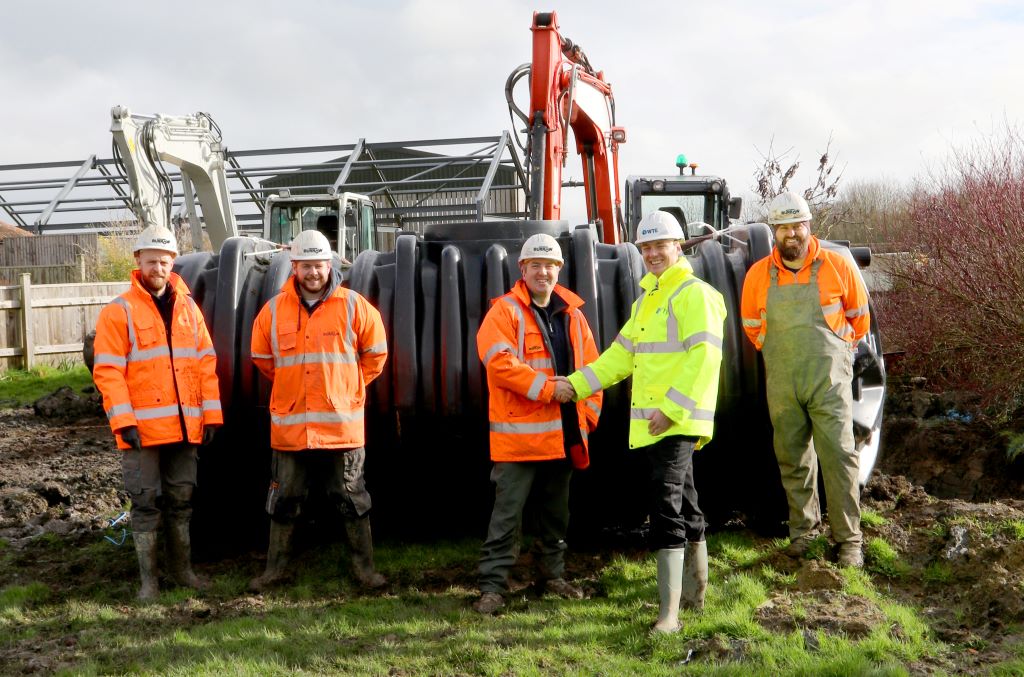
It has appointed Burrow Environmental and Our Rivers – a joint venture between Nutrient Neutral and Hutchinson Environmental Services – as the approved contractors for the delivery of the Package Treatment Plant Replacement Programme across nutrient neutrality catchments in Cumbria.
This programme plays a crucial role in delivering nutrient mitigation measures across the region, supporting sustainable development while protecting the local environment.
It is being delivered using a portion of the £16.4 million awarded to the partnership from the Government’s Local Nutrient Mitigation Fund.
The scheme will directly assist developers in meeting nutrient neutrality requirements, helping to unlock stalled planning applications and contributing to improved water quality in Cumbria’s rivers and protected habitats.
By upgrading outdated or underperforming private wastewater systems – such as septic tanks and small treatment plants – the project aims to reduce the amount of phosphorus entering watercourses, one of the main contributors to poor ecological health.
A nutrient credit scheme, through which developers will be able to purchase credits generated by the programme, is expected to launch in the second half of this year.