

A farm in South Cumbria is pioneering ways of growing new crops on its waterlogged soils whilst locking in peatland carbon, after being awarded a grant from Natural England.
Holker Estate Farm at Cark-in-Cartmel is one of only 12 sites in the UK – and the only individual farm – to be awarded a Natural England grant under the Paludiculture
England Fund.
Paludiculture is an agricultural system that involves re-wetting peat to create the conditions that favour wetland crops – such as water mint, bilberries and
sphagnum moss.
The 12 organisations involved in the initiative nationally are sharing their findings in the hope that they can unlock the commercial potential of waterlogged peatland for farmers while locking up carbon in the ground and protecting the environment for generations to come.
Paludiculture offers a potential solution for growing profitable crops on lowland wetlands while significantly reducing greenhouse gas emissions.
In 2020 carbon emissions from England’s drained agricultural peatlands were estimated at 8.5 million tonnes, 3% of the country’s entire emissions.
Holker Estate Farm aims to lock up the carbon in its peat-rich fields and at the same time grow new, commercially viable crops.
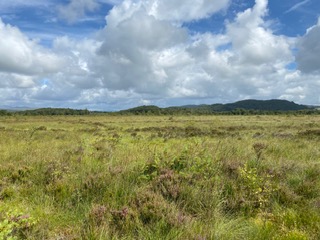
The farm’s land agent David Harvey said: “Our role is to research the various crop options available and provide Natural England with the data necessary to help farms move towards commercial production.
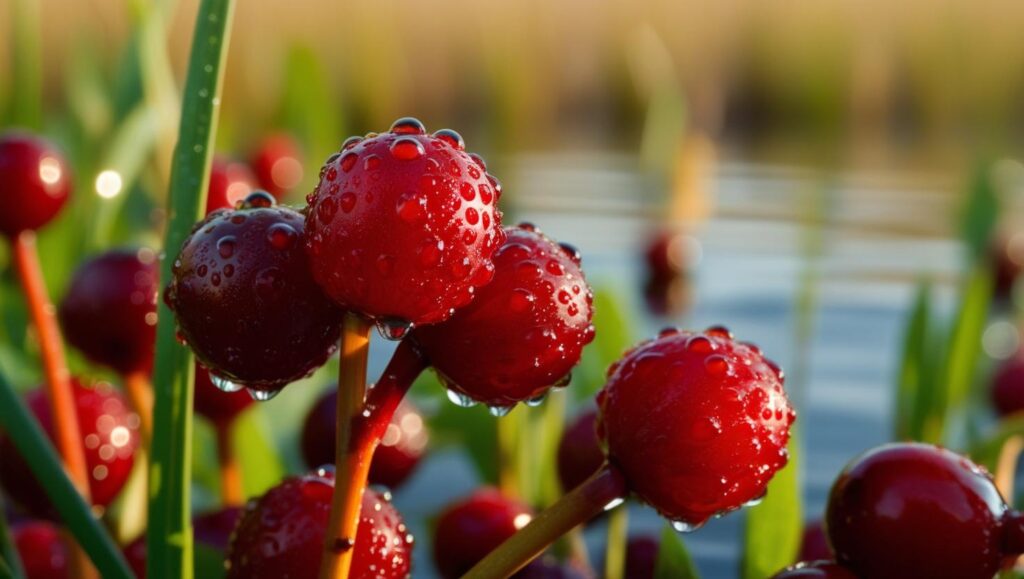
“Our top three crops from the 15 we researched here in South Cumbria were sphagnum moss, bulrush and marsh cranberries.”
Sphagnum Moss was used extensively in World War I as the key component in wound dressings due its naturally occurring antiseptic qualities.
More recently it has found favour with gardeners as an alternative to peat-based compost and there is already some commercial production taking place.
Bulrushes are probably England’s oldest paludicultural crop, having been grown in the wetland expanses of Norfolk for use as a roofing material for centuries, before being displaced by modern building materials.
The next stage in Cumbria’s contribution to this emerging agricultural approach is for Holker Estate Farm to grow a test crop and explore methods for efficient harvesting, planned for early 2025.