

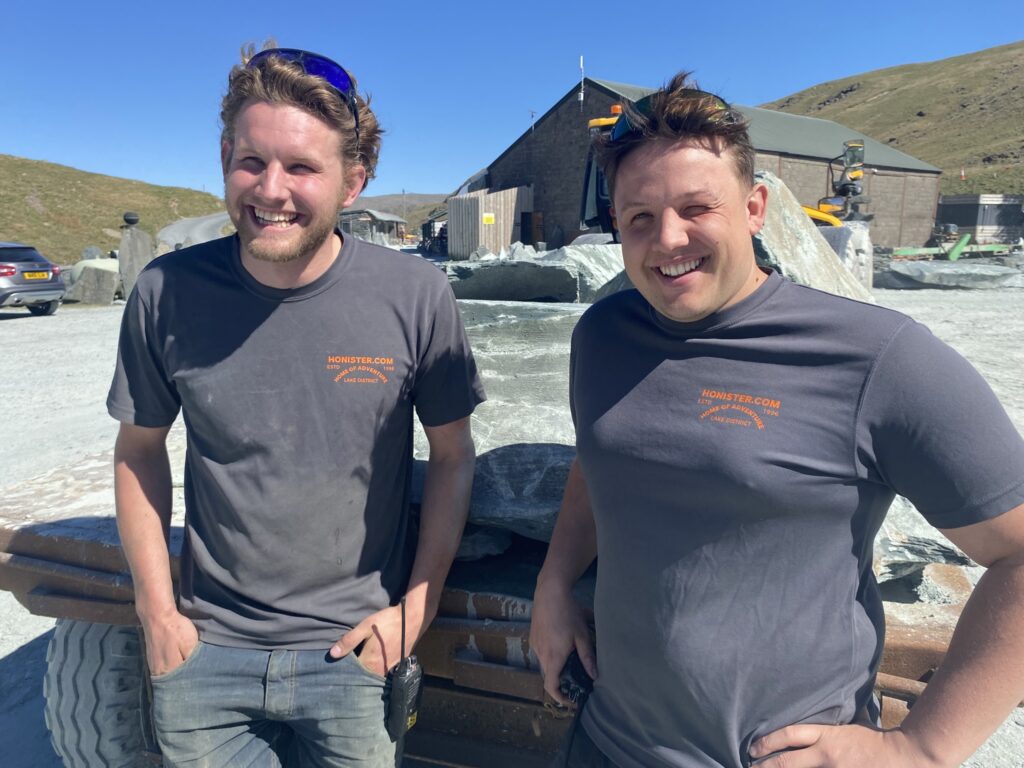
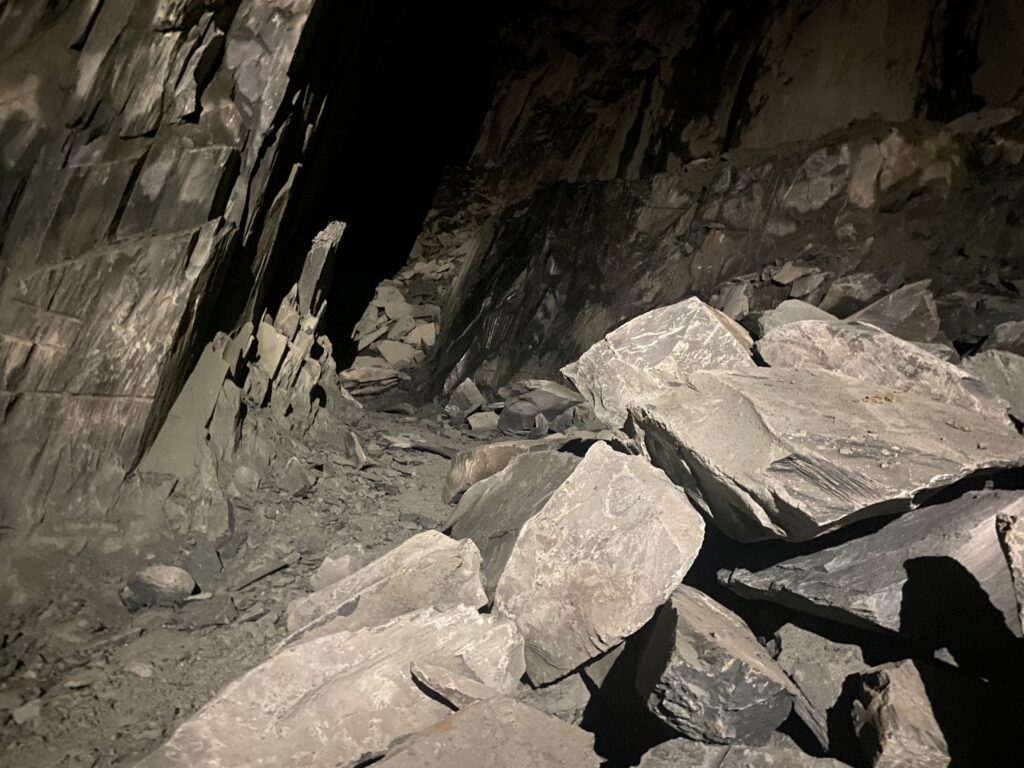
As we entered the mine I was surprised.
Not by the cavernous dimensions of the blast wall or the stillness once the engine noise of our vehicle died away; it was the temperature.
We’d exchanged blazing blue skies and an uncharacteristically arid Honister pass outside for the inky darkness of the slate mine yet it was a comfortable 12 celcius.
“Dad always used to say – ‘if you’re working in the mine in a jumper you’re not working hard enough!’” Piers recounted as he showed me the Kimberley Vein, the area within the the mine where Honister Green Slate is currently extracted.
The small team he leads were at work nearby, painstakingly extracting precious chunks of rock to be transported down the mountain to a workshop where it’s assessed and worked to become slates, memorials and more.
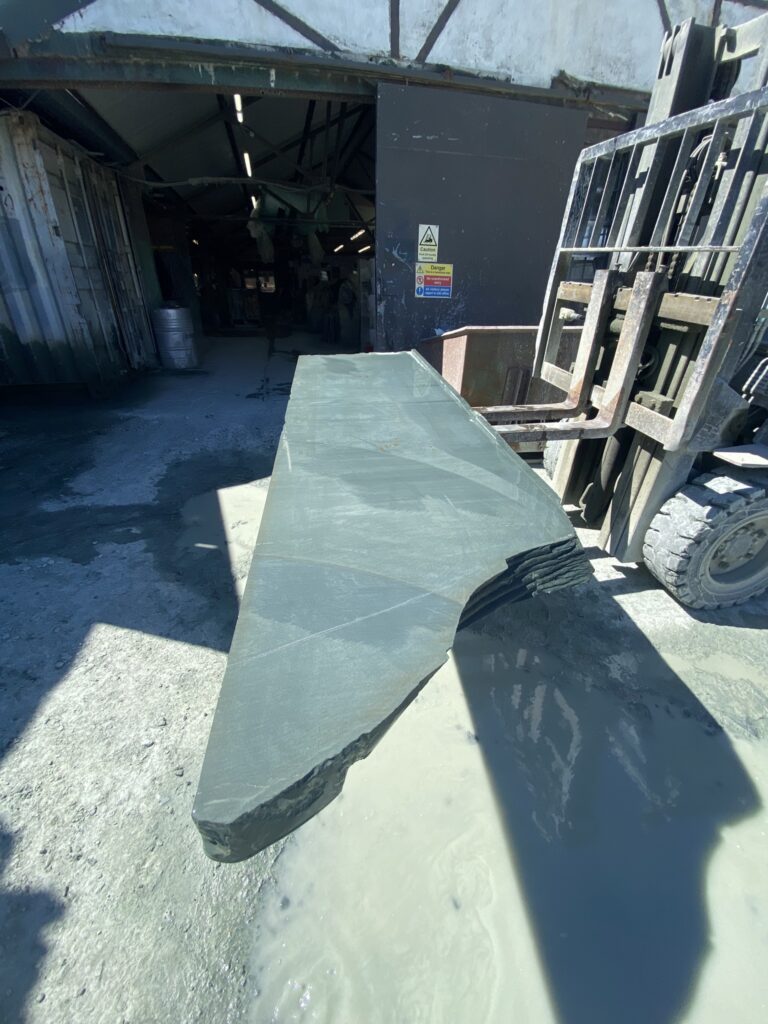
At a time when crafts are dying out, the Honister Slate Mine continues to provide an increasingly rare commodity. For centuries, rooftops and landmarks and have been crowned with the product handcrafted from England’s (normally) wettest valley. Between 120 and 200 tonnes of roofing slate is produced each year.
But Honister is really a story of two businesses.
Tours around the the mine are popular but so too are attractions aimed at the adventurous.
Climb the Mine, the Via Ferrata Xtreme, Infinity Bridge and The Adrenaline Pass all allow visitors to walk in the footsteps of the miners who once worked here in one of the UK’s most beautiful and rugged landscapes.
Piers and brother Prentice jointly run the venture, which was the ambition of their father Mark Weir.
With mining in his family, it was his mission to save the site after it closed in 1985.
His dream was to preserve the last working slate mine in England, reconnect visitors with the Lake District’s industrial roots and open up the mountains safely for all to enjoy.
His death in 2011 could have signalled the end of the venture but his sons are determined to keep the venture alive and ensure it thrives.
Now the family’s focus is on bringing another long-awaited dream to life: Honister’s new zip wire attraction.
Approved earlier this year and due to be carrying adrenalin junkies next summer, the Lancaster Aerial will offer a 300 metre descent over 1.1km.
The application proved controversial and the debate has continued has 15 years.
The brothers say they have a good relationship with planners and have sought advice from them and Cumbria Tourism to help develop the business.
“To get to the start people will take around 3 to 4 hours to get to the via ferrata to enjoy the views and then fly down the mountain on the zip wire,” Prentice, who’s under no illusion who the attraction is aimed at, says.
“I think anyone who fancies a once in a lifetime activity – it will be really special!”
The site is off-grid which means all power is generated at Honister. Low emission engines for equipment help reduce emissions but the aim is to invest in solar power and battery storage as cost permits.
“Nothing we mine now is wasted,” Prentice says, pointing to spoil from earlier mining work which has spilled down the fell-side opposite.
Every piece of stone extracted finds a use.
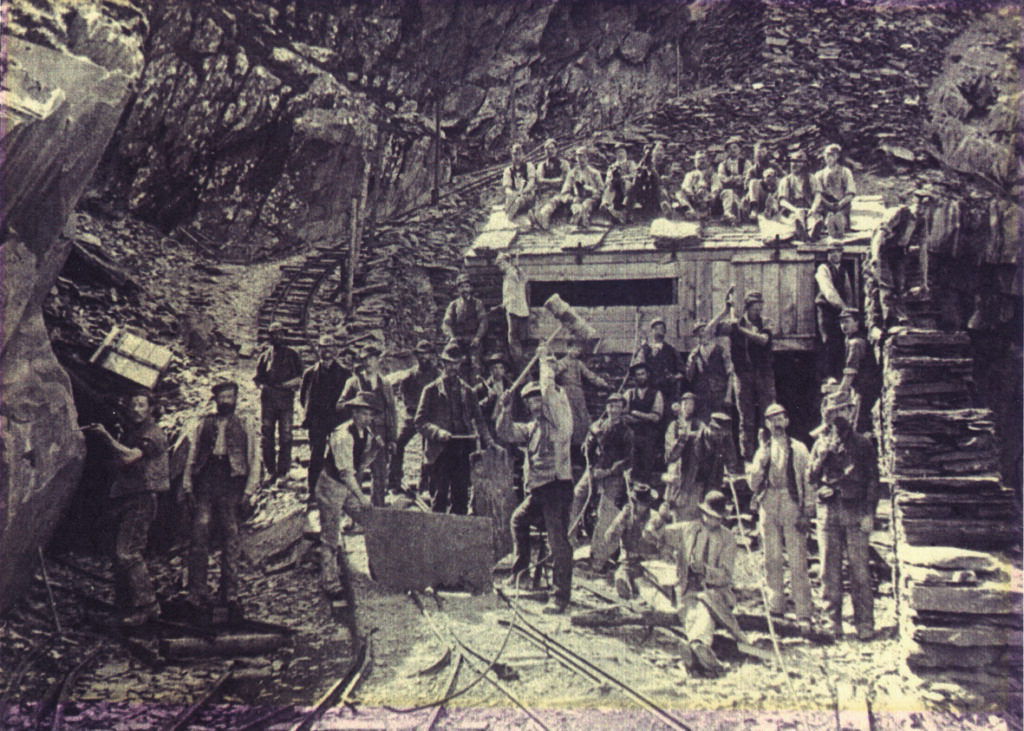
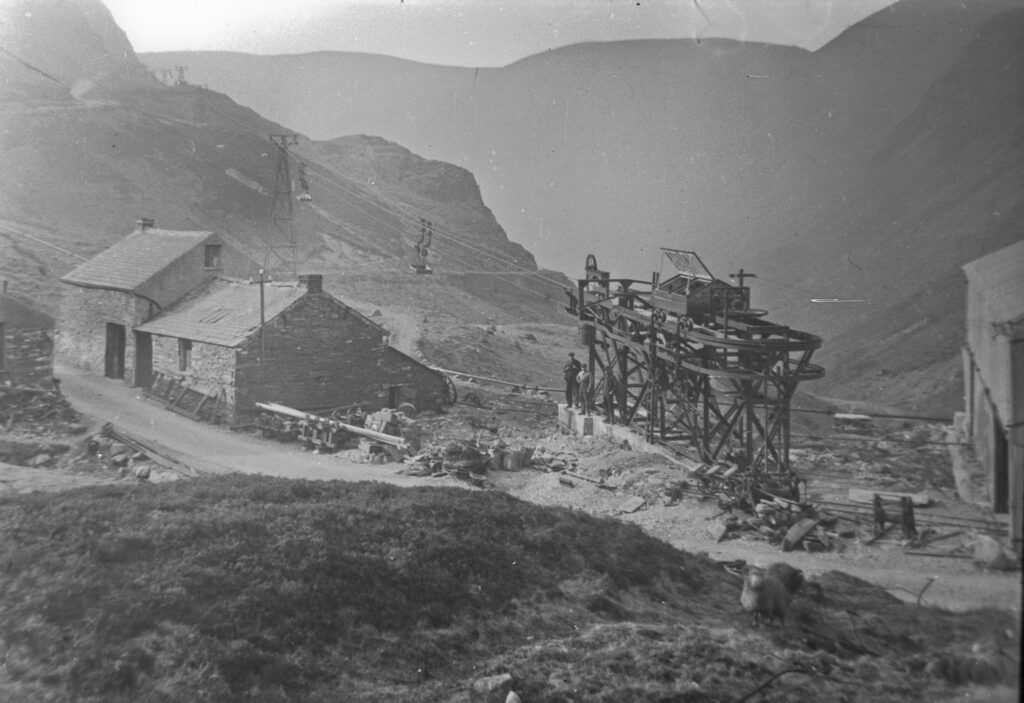
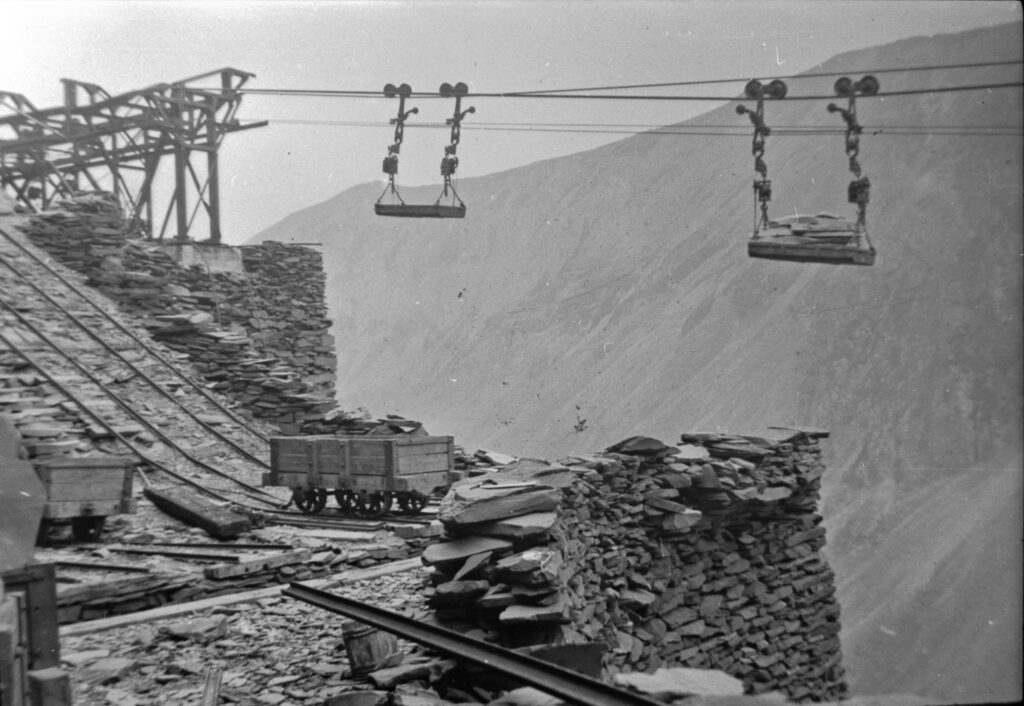
Pictures showing mining work from years gone by show little change to the site.
The tools and skills have not changed that much and family plays a bit part here. There are several who have joined their fathers in working at Honister.
With around 30 people employed on the site, in an area where jobs are hard to come by, the hope is it will encourage more to consider staying in the area.
From master stonemasons keeping ancient skills alive, to the landscapes shaped by generations of miners, Honister is a reminder of the resilience, innovation and spirit that Cumbria is known for.
Yet what about the future for the brothers who feel they are working alongside their late father?
For Piers the decision three years ago to carry on the project despite a sometimes challenging business world is paying off.
“The best decision we’ve ever made.”