
Farmers and landowners are being urged to bid for a share of funding aimed at supporting and improving the Lake District National Park.
The Farming in Protected Landscapes (FiPL) grant from DEFRA offers funding to farmers and land managers in the Lake District to help projects which assist nature recovery, combat the impact of climate change, provide opportunities for the discovery and enjoyment of the landscape and its cultural heritage or that protect and improve the quality and character of the landscape or place.
In the last financial year the grant provided £2,038,269 in funding for projects involving 285 farmers which included:
- 9,642 metres of access improvements
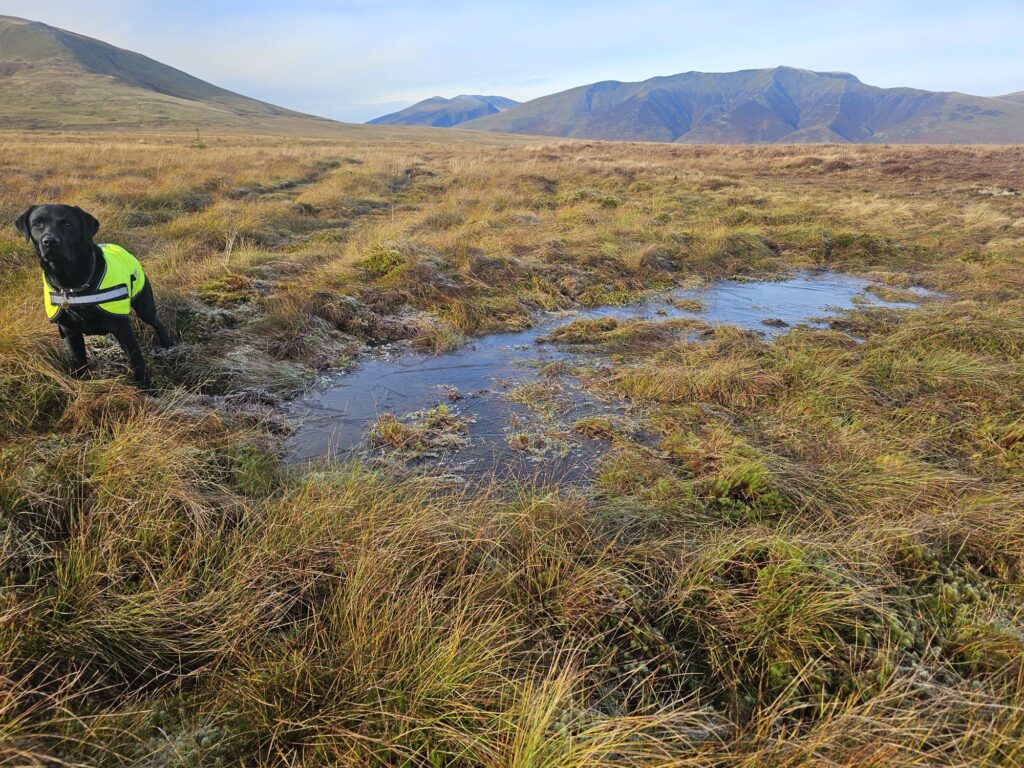
- £118,525 support for wetland creation and restoration projects
- 53 projects for resilient and nature-friendly farm businesses
- £180,780 towards the recovery of threatened species
- 21 for agricultural soil health projects
- £141,949 towards educational projects
Applications being accepted now by the Lake District National Park Authority.
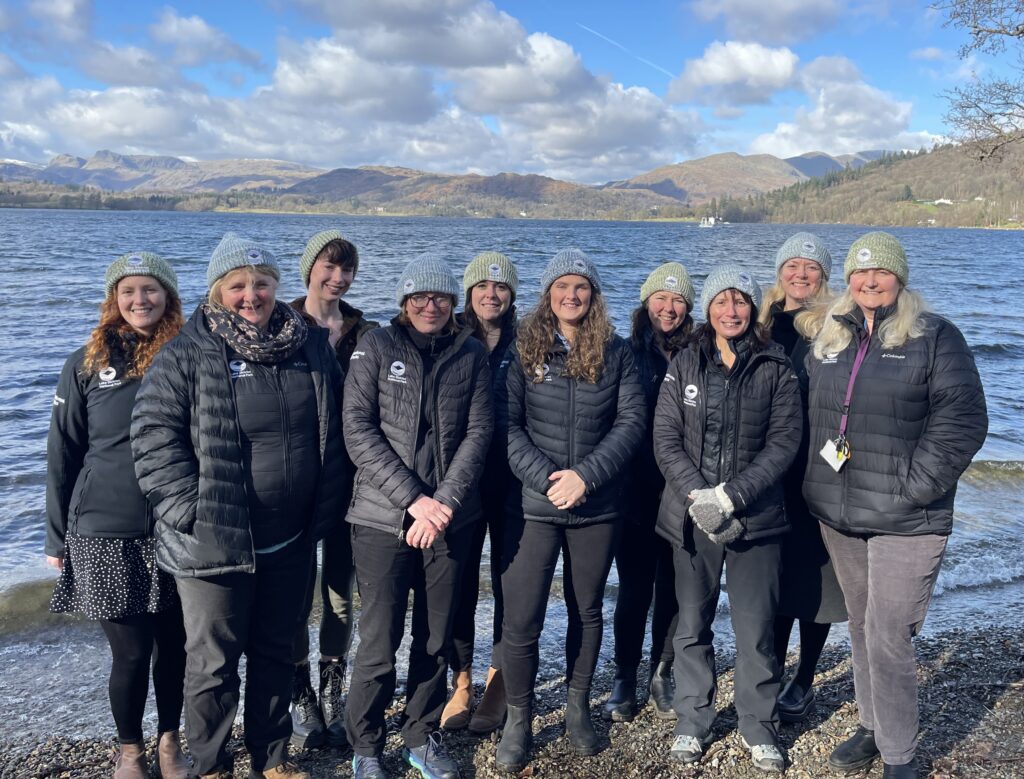
“We’re pleased to continue to deliver the FiPL scheme for 2025/26 and look forward to continuing to support farmers and land managers as they deliver projects which support people, place, climate and nature across the Lake District National Park,” Claire Foster, LDNPA Farming Officer, said. “This year we’re particularly keen to hear from those who haven’t previously taken part in the FiPL scheme, so please do reach out to us through the LDNPA website if you have a project idea you’d like to explore.”
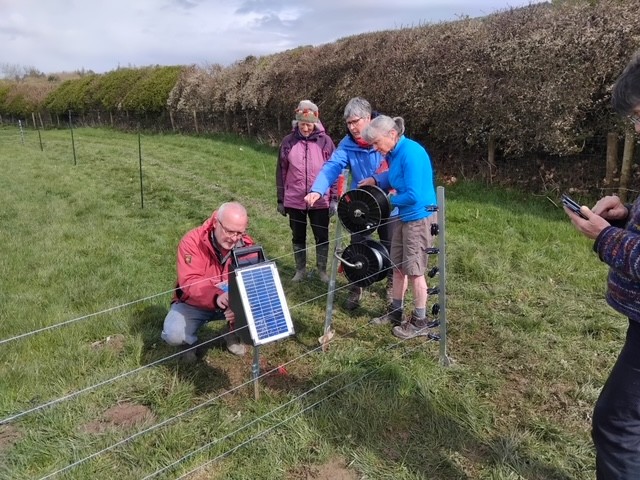
One of the projects which received funding was the Melbreak Curlew Recovery Project.
David Gardiner, who manages the project, established it through a local community interest in nature recovery.
“There were four curlew nests which helped us realise there are more curlews breeding in our valley then initially thought. The numbers of curlews have declined by about 50 percent,” David said. “Curlews return to the same place where they were born and breed, so if the population dies in a particular area it’s difficult to get it restored. We know numbers are declining, what we’re trying to do is get in there and protect the curlews we have before they all disappear and we can’t get them back.”
Tim Newton, a farmer who volunteers with the project, became involved after hearing a talk at a community event where the call of a curlew was played.
He said: “After they played their song it grabbed me. I can hear them in the morning when I’m lying in bed and I’d spotted a few around. David said I’ll give you a telescope and binoculars and it went from there really.”