

It was built as the line that traversed the roof of England, a vital third link to the north, crossing challenging terrain thanks to skill of the 6,000 men who toiled over seven years to complete it.
It nearly closed for good during the 1980s yet this month the Settle-Carlisle railway marks the 150th anniversary of the start of freight transportation with the future of the line looking bright.
“Freight traffic now is mainly quarry workings but also a daily train carrying wood uses the line,” chair of Settle Carlisle Railway Development Company, Pete Myers, told Business Crack.
It was set up in 1992 as a not-for-profit limited company in response to the call from the Transport Secretary for all political parties to work together following the reprieve of the Settle to Carlisle rail line in 1989. Closure was a real possibility.

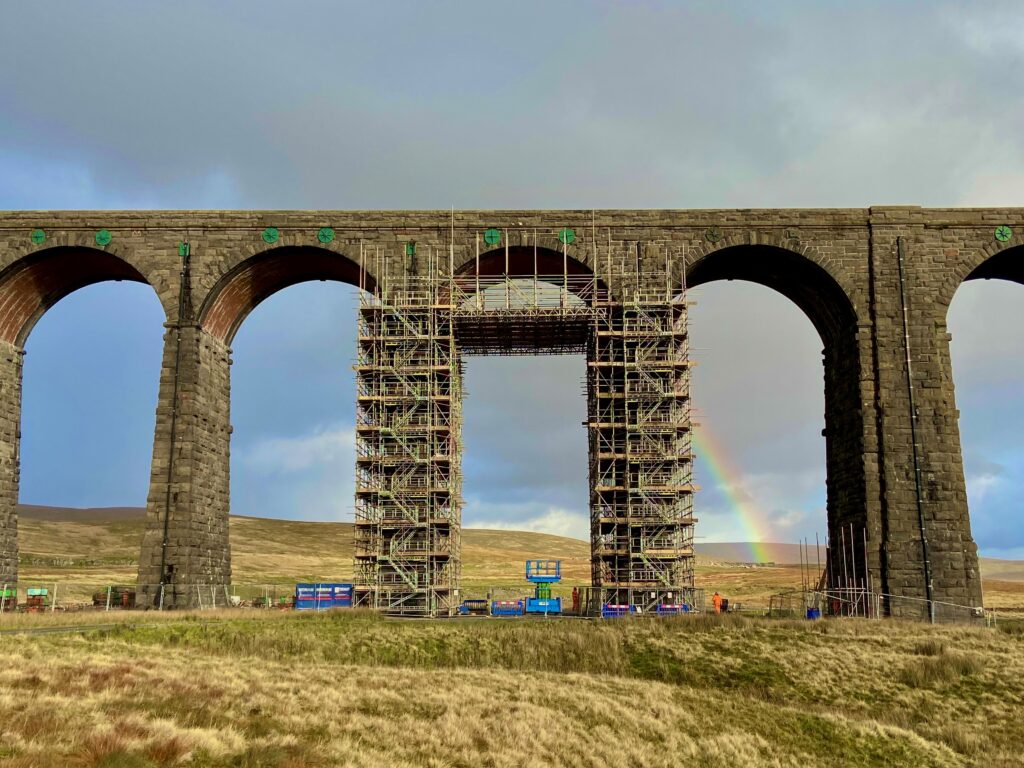
Work to maintain the Victorian infrastructure including the iconic Ribblehead viaduct was needed and the value of having a third north/south link alongside the west and east coast lines was questioned.
“For those who live in the Dales it really is a lifeline,” Peter said. “To drive between the stations takes forever.
“Often railways follow a road or river but this one doesn’t – it goes across the Pennines. It is absolutely a lifeline. The Dales Rail card which entitles people who live on the line to a discount is a very important product.”
Redevelopment of the line continues to this day.
In July, Horton Quarry in Ribblesdale was reopened by Network Rail. A source of limestone for building projects since 1889, all materials had to be transported by road for the several decades after the rail link was removed, sending heavy lorries trundling through the national park’s villages.
The quarry’s owner, Heidelberg Materials, and contractor Volker Rail worked with Network Rail to reconnect it to the railway.
The re-linked rail terminal will move about 1,600 tonnes of limestone from the quarry every week day helping save more than 507 tonnes of C02 each year and keep the roads clearer.
“This is the third quarry we have connected to the Settle-Carlisle line in recent times and considering that the line was under the threat of closure during the 1980s, this is a remarkable turnaround for both freight growth and the future of the line,” David Hunter, a senior regional freight manager at Network Rail, said.
“Many industry partners have worked hard over the last few years to connect this quarry to the rail network and the benefits will be seen for many years to come.”
The development company has adopted Appleby and Settle stations and works with dedicated volunteers to maintain the upkeep of the station’s gardens. A station improvement group works in collaboration with Northern, Network Rail and the Friends of the Settle-Carlisle Line to improve and restore stations and help enhance and preserve the lines heritage.
And what of the future?
With 20 staff now employed by the company, Peter says passenger numbers are growing by around 10% each year.
A refreshment trolley service on passenger trains linking Leeds with Carlisle ihas been boosted with a new fleet made by J Mortimer Fabrications of Kirkby Lonsdale and paid for by CrossCountry, Avanti, Northern Trains, and Travel Watch.
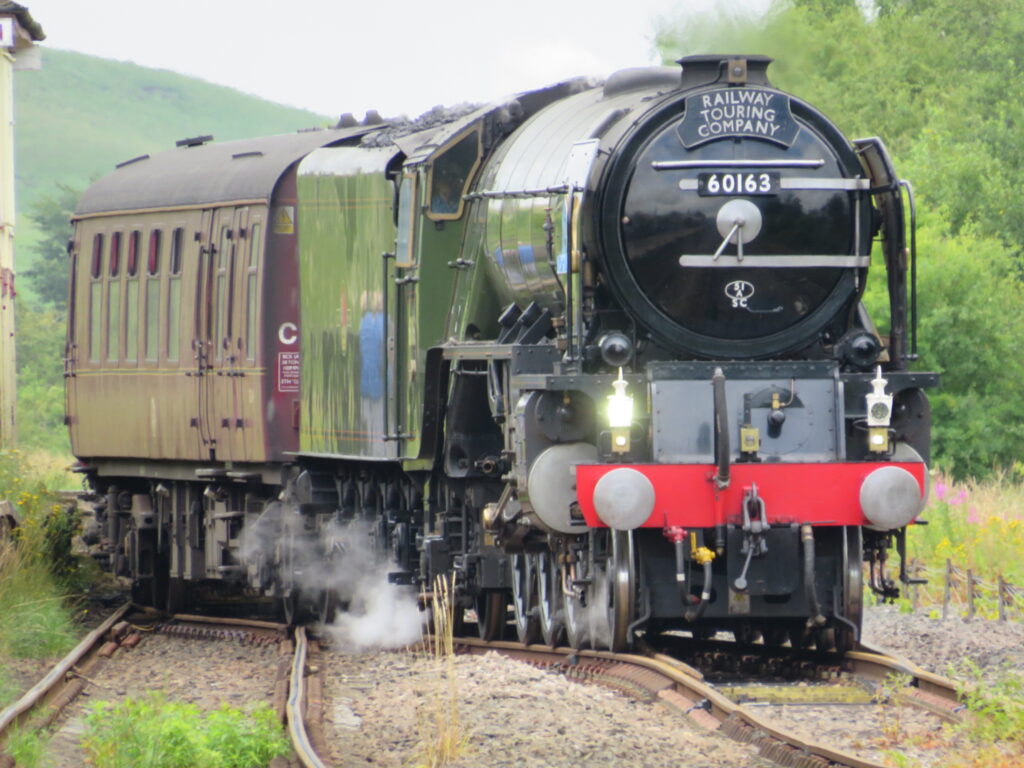
To commemorate the anniversary, and as part of the broader Railway 200 celebrations taking place across the World in 2025, the Settle Carlisle Railway Development Company are running a special steam charter, The Border City Express, on Saturday, October 4.
Departing from Bradford – Britain’s City of Culture 2025 – and travelling to Carlisle, the gateway to the Scottish Border, the Border City Express will journey through the heart of the Yorkshire Dales and North Pennines via the legendary Settle-Carlisle Line.
“This is a wonderful chance to celebrate not only 150 years of freight on the Settle-Carlisle line but also the vital role railways continue to play in connecting communities and supporting economies,” Pete said. “We’re thrilled to combine heritage, culture, and steam for such a memorable event.”
The Border City Express charter steam train is part of the Railway 200 programme, which marks 200 years since the birth of the modern railway.