

Survey work to assess the possible impact a nuclear waste site could have on wildlife along the Cumbrian coast is underway.
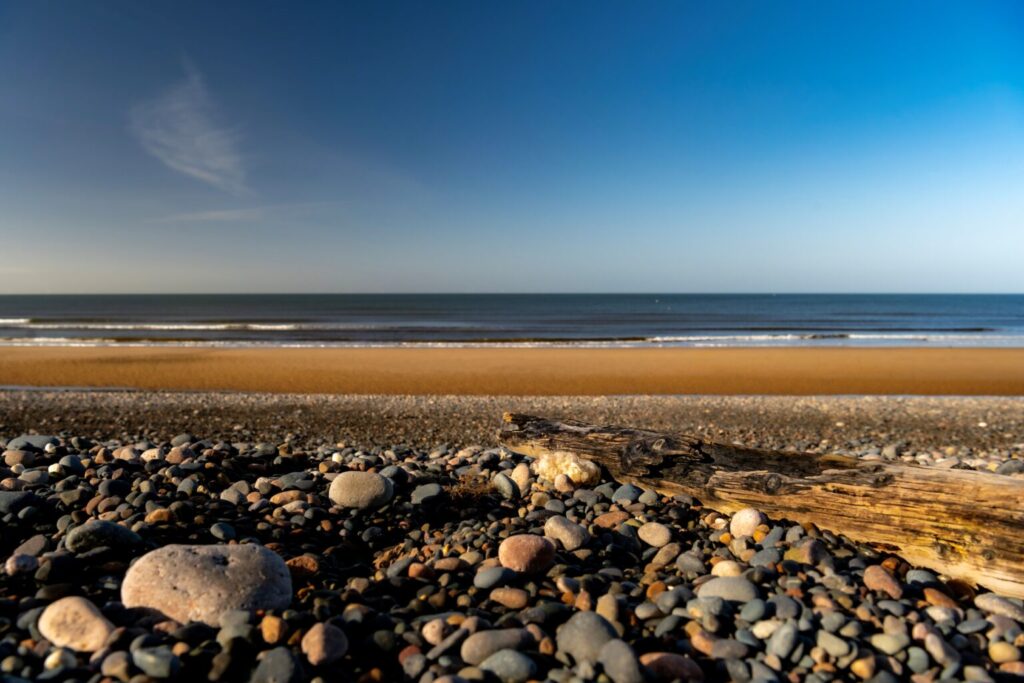
Nuclear Waste Services (NWS) began carrying out aerial surveys of birds and marine life off the west coast between Sellafield and Haverigg in October 2023 with the aim of gathering information on bird movements in an area where a Geological Disposal Facility (GDF) could be constructed.
This month sees the final aerial survey take place with the company adopting ground-based wintering bird surveys in the future.
NWS said the surveys would help identify potential environmental effects and inform any mitigations to manage them.
The findings will form a key part of the Environmental Impact Assessment, which is required to accompany applications for Developmental Consent Order and Environmental Permit permissions.
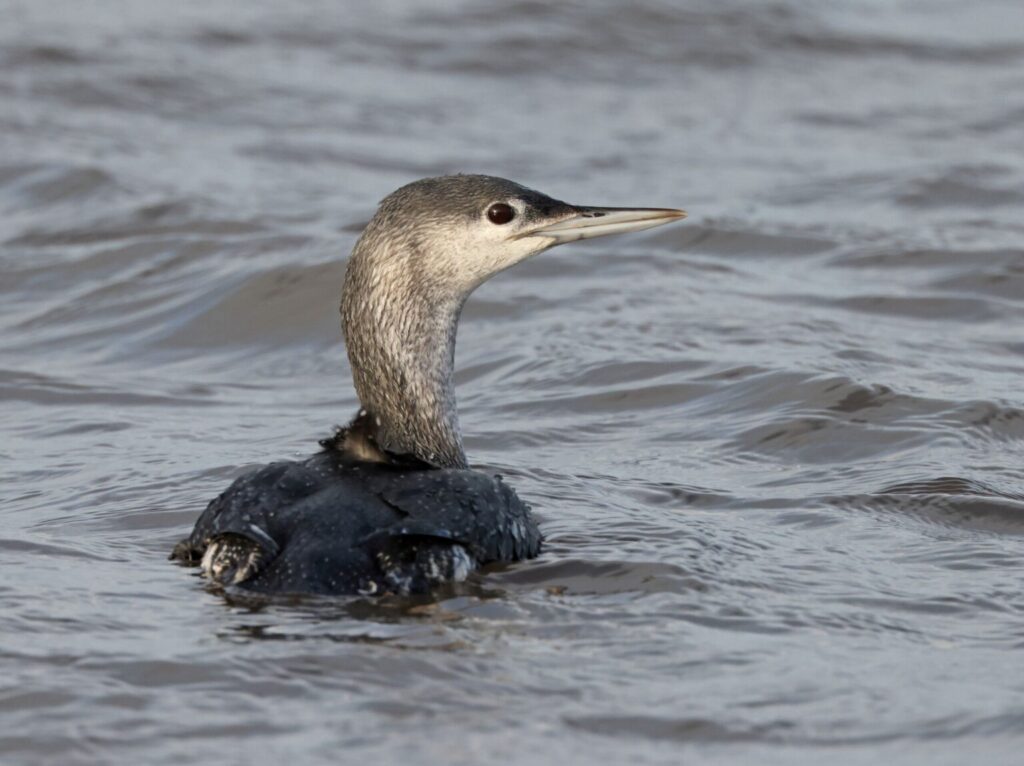
Covering almost 1,900sq km, the aerial surveys have shown that coastal birds such as dunlin, oystercatcher and wigeon are most numerous in the winter months, while marine birds like guillemot, razorbill and kittiwake peak in the summer.
Harbour porpoises were also recorded in the survey area.
““The aerial surveys have given us a valuable baseline of information about the species using this stretch of coast; by moving to shore-based observations, we can build on that knowledge and examine bird behaviour and responses in more detail,” Charlotte Higgins, senior lead environmental and sustainability assessment at NWS, said.
“These surveys form part of our broader environmental programme and our commitment to understanding the local ecosystem, ensuring that any future investigative work carefully considers potential effects on wintering birds and the mitigation measures that may be needed.”