

A process which results in the creation of environmentally friendly fertilisers from food waste has been pioneered by a company in West Cumbria and is set to be tested in Africa.
ASM Biotec Ltd was founded in 2023 with the goal of developing new biotech products from natural waste.
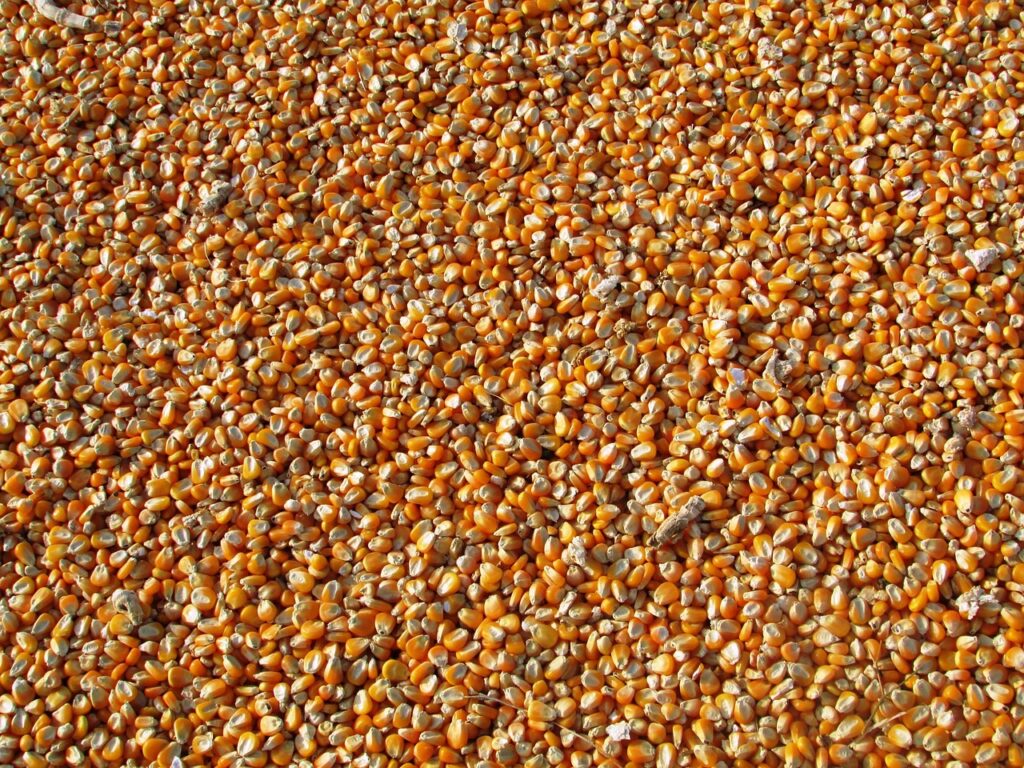
Maise kernels and husks from cereal crops are being considered as materials for use in creating environmentally friendly fertilisers and silica, a common ingredient of a range of products from building materials and cleaning products to food additives and pharmaceuticals.
Ashley McCarthy, of the company, is finalising plans to travel to Kumasi, in central Ghana, to conclude feasibility studies on his scheme to create a major production centre.
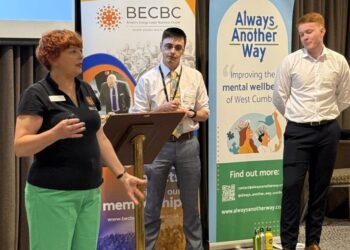
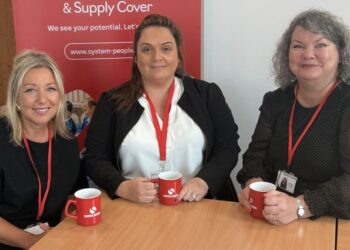
Support for the idea has come from Pan African Finance & Investments, Barclays and the University of Cumbria with a recent presentation to guests in Whitehaven attended by the Department for Business and Trade, Fuzion Finance, Cumbria Chamber of Commerce, Innovate UK and Enterprising Cumbria along with West Cumberland councillor Mike Hawkins and Westmorland and Furness councillor Matt Brereton.
Mr Ashley said: “The collective experience and knowledge in the room was powerful and provided valuable insight into our next steps in realising this ambitious and pioneering plan.
“All comments presented during our event have been recorded, acknowledged and are currently being actioned, the Ghanaian ambassador in London will be apprised, and discussions regarding the use of invasive plants including bracken continue in parallel with the main thrust of getting our Ghana business up and running.”
Mr McCarthy hopes to create an R&D, engineering and manufacturing base in West Cumbria to support operations overseas.
Ge plans to establish the plant, enabling new economic enterprises to thrive, then embed a management team before moving on to other countries, a number of which are showing interest in the Ghana pilot scheme.
He also added that the process could potentially be used here in the UK, which could reduce reliance on carbon-intensive fertilisers and provide a use for invasive species such as bracken.