

Any day now, a lorry will pull into the brewery yard at Jennings in Cockermouth. For head brewer Buster Grant the arrival can’t come soon enough.
The delivery will be the vessels and kit needed to commence brewing on a site synonymous with beer production in Cumbria since 1874.
While it may be a lot smaller than the brewing capacity that remains on site, the brewing kit – from a brewery in South Cumbria – is ideal to realise a much-anticipated return to work.
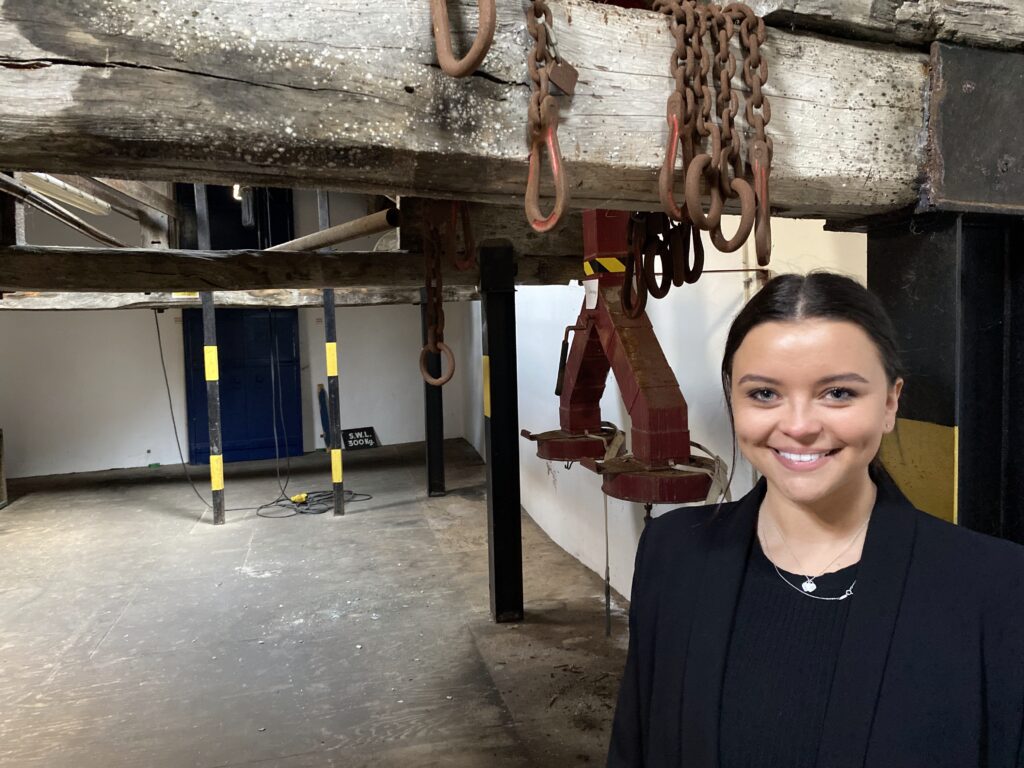
Showing Business Crack around, marketing manager Rebecca Jobson joins Buster in explaining how small steps are key to bringing life back to the historic home of brewing in Cockermouth.
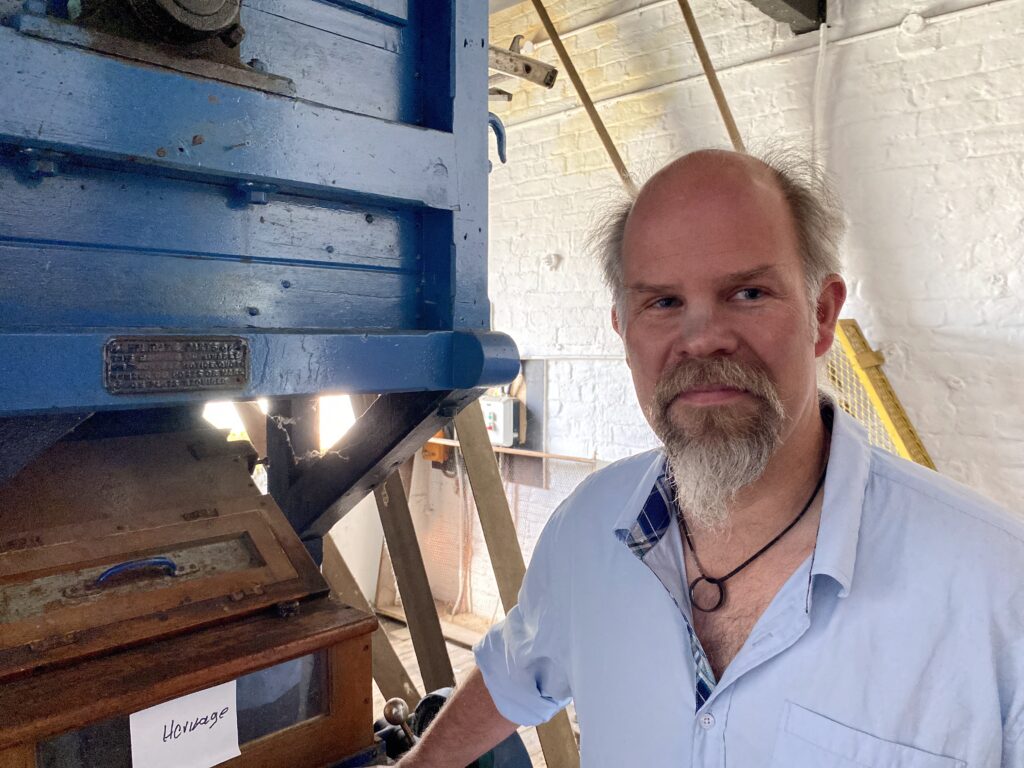
“In here will be all I need to – an entire brewery can fit into quite a small space but it will have all I need and will be my new home for a little bit,” brewer Buster led me into a workshop all set for the arrival of the stainless steel pipes and other paraphernalia vital to creating the beer for which the brewery is famous.
“How easy is it? It’s not! But we’ve got a good team and we can make everything work. We’re keen to get brewing.”
Since the news was announced in February that the brewer had new owners, interest has been significant. There are almost daily enquiries from people keen to purchase Cocker Hoop, Snecklifter and the rest.
The acquisition of the brewery for an undisclosed sum saw Kurt Canfield, CEO of specialist engineering business Delkia, and partner Rebecca Canfield, owner of wine and spirits company Wine and the Wood, take ownership of the brewery site.
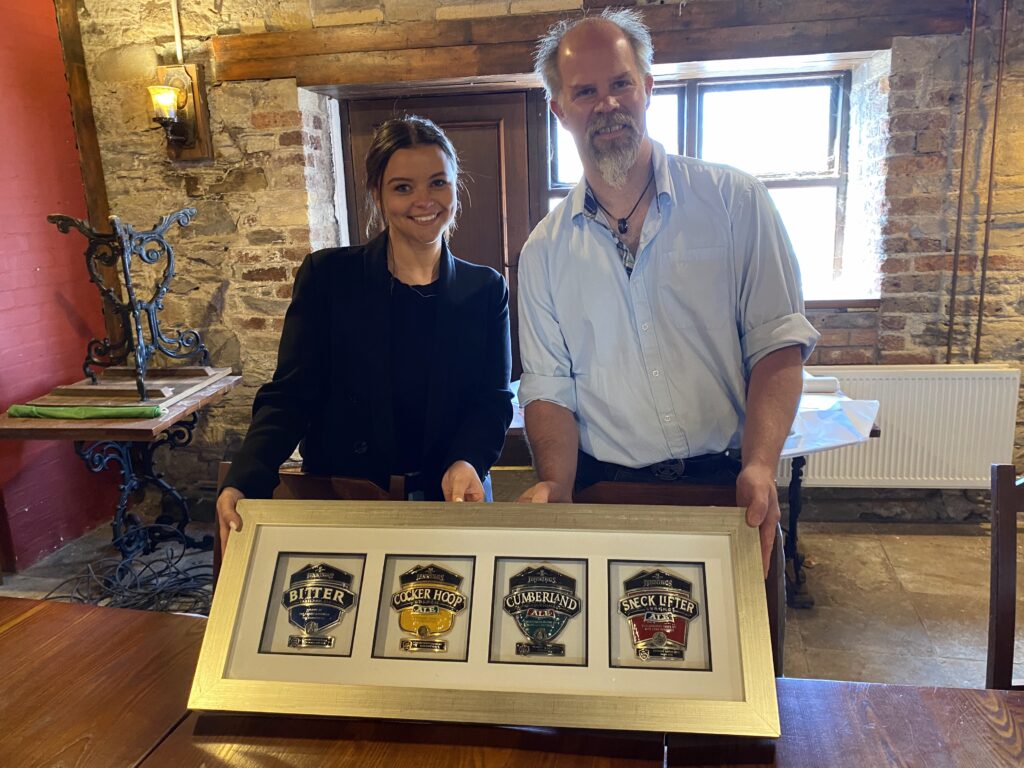
Snecklifter, Cumberland, Cocker Hoop and the newly renamed Castle Bitter will be the first four brews to be produced, it’s hoped, this summer.
The branding and marketing will remain true to the original styles with minor updates on pump handles the only sign of a change of ownership.
But it will be all about the taste which is something Buster, a brewer with 20 years experience, knows only too well.
“The beer’s got to be good and we’re lucky here in having access to well water that really is beautiful, if anything it’s a little too soft for brewing which means we have to work with it but that’s no problem,” Buster says. “If you’re producing a 5% beer, 95% is water so it has to be good. Happy yeast and beautiful fermentations will mean great tasting beer.”
Initially just 10 barrels – around 1,600 litres – will be produced but the aim is to step up production (and employment) as demand grows.
There are ideas to open up the historic building and introduce tours around brewing machinery and equipment which dates from Victorian times.
The new owners have carried out consultation events to ask former employees as well as locals how they see the business developing.
A riverside veranda allowing visitors to enjoy a drink while overlooking the river is one idea being considered for the future.
Arts organisations and performers could also find a new place to perform and exhibit in the stone-built, high-ceilinged properties too.
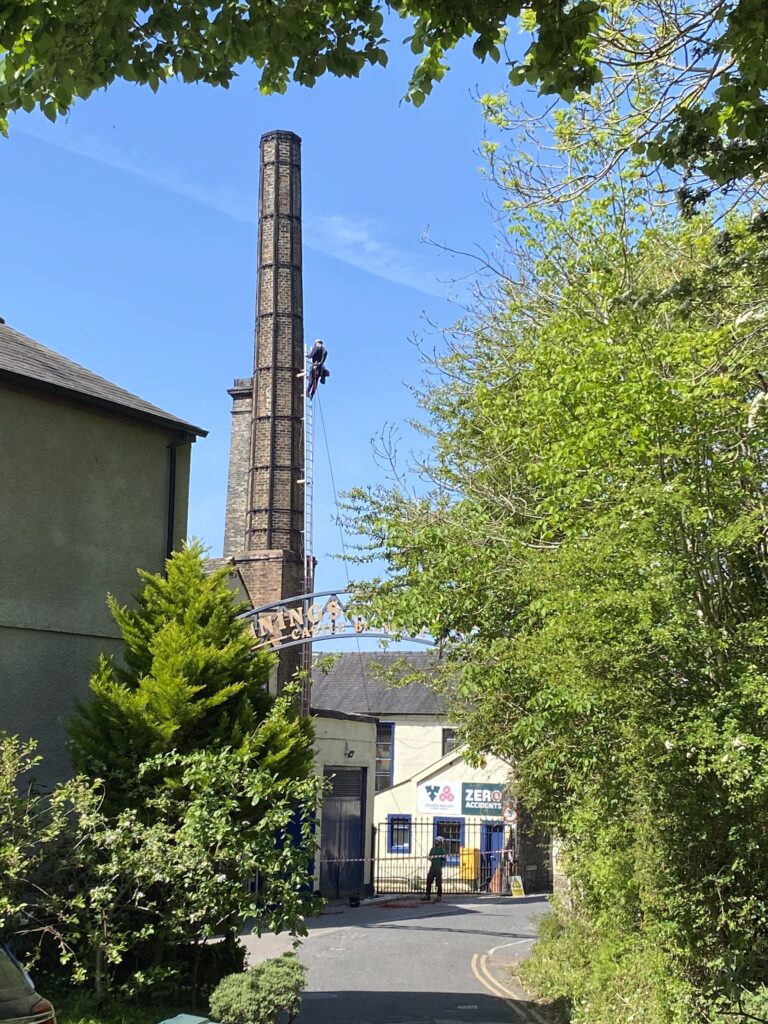
For now though the emphasis is on getting the brewery back into operation.
With spring sunshine streaming through skylights and windows, the only thing missing was the unmistakable scent of hops and fermentation but within weeks this could gently wafting across this part of town.
“When I saw the opportunity I thought ‘I have to put in for that’ and Cockermouth is an amazing place, a beautiful town with a nice atmosphere that’s really friendly,” Buster said.
“I’ve got the old recipes and brew sheets and with slight updates it will be a really drinkable beer.
“I want people to pick up a pint of the new Snecklifter and say ‘yes, that’s what’s the the beer should be.’”
Branding will be sympathetic to the original style and networks are being set up to ensure it’s available outside of Cockermouth and the nearby areas.
“We just want to get it back up and running – to get the heart beating again,” Rebecca said.
“The reaction around the town and beyond has been brilliant – there’s a real joy that Jennings is back.”