

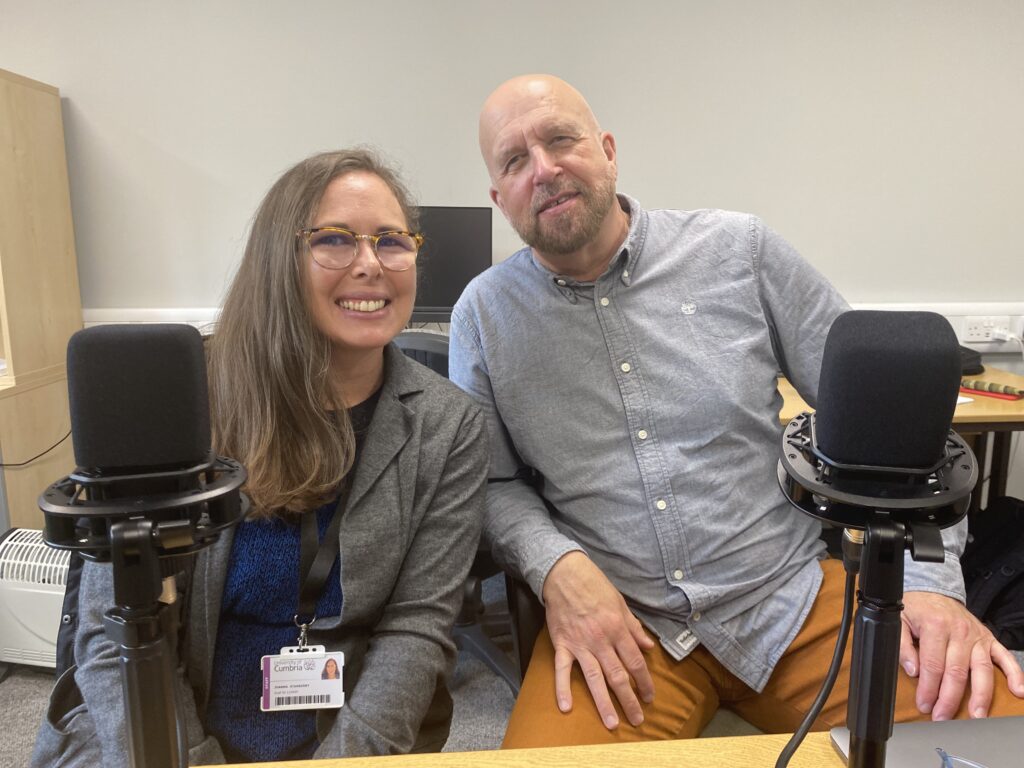
Details of a unique study of the way Cumbrians view their community which resulted from a collaboration between the Lord-Lieutenant of Cumbria and the University of Cumbria have been shared.
The project, called Strengthening Cumbria’s Civil Society, began in 2023. The term civil society includes any individual or organisation that works to create social value, independent of government.
When Alex Scott was appointed as Lord-Lieutenant, one of his aims was to identify what the role could offer Cumbria.
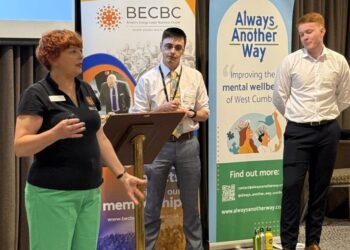
“The role of the Lord-Lieutenant comes with various duties that we carryon, myself and my team of deputies to carry out the function of the monarchy in the county but there is another layer to that which is what can we do for our county,” Alex told the audience at the project’s dissemination event held at the Ambleside campus of the University of Cumbria. “My question was ‘what is it that Cumbrian society thinks?’ Let’s go and ask.”
Over 15 months, academics have been canvassing the opinions of voluntary, community, social enterprises and charities across Cumbria.
The aim is to establish what is needed to create a more thriving and equitable community as well as confirm what is working well to make Cumbria a strong, connected, and flourishing place to be.
“Sometimes civil society gets caught up on only non-market activities, non-government activities but people working in business and working in government are engaged in civil society so it’s a much more ‘all of us together’ concept that we embraced for this project,” Dr David Murphy, associate professor of sustainability and collaborative leadership, said.
Cumbria is home to 2,500 registered charitable organisations employing 10,000 equivalent full-time staff supported by 52,000 volunteers. The audience heard many more exist but are unregistered.
92 people attended events held in Workington, Carlisle, Barrow and Ambleside to canvas opinions in person. Local news sources – including our sister site Cumbria Crack – were also included in research.
The project identified four areas where the Office of the Lord-Lieutenant could help to strengthen communities. These included looking differently at communities, making the sector visible, connecting it and better resourcing it.
Felicity Jones, of Thinking Philanthropy, said the Lord-Lieutenants office was the only organisation specifically tasked with helping and supporting civil society and pointed out that work in Cumbria could be replicated nationwide.
“It’s the public that largely funds civil society and that funding has held up,” she said. “I don’t think the sector has been under such strain. The strain is around the delivery of services and the sector workforce is under mental health strain. The pressure and the competition around seeking funding has created a situation where it’s hard if you don’t have that capacity.”
The project recorded and ranked comments made by those who took part; create strategies that connect local issues, create and highlight better job opportunities and strengthen food security to reduce the need for foodbanks were among them.
Other key findings included a need for transport issues to be examined. The event heard how even getting to exams on time proved frustrating for young people in part of Cumbria who were reliant on public transport.
There is, the report says, consultation burnout in Cumbria with respondents keen for leaders to work to remove barriers for self-organising communities. Environmental sustainability too is a ‘people, community and wellbeing ambition.’
A final report is almost complete and it is hoped the information gleaned will prove useful at a time of change in Cumbria.
A number made observations that similar issues highlighted in the project were raised at the recent Enterprising Cumbria economic summit, including calls for better transport and entertainment in Cumbria to appeal to more young people.
“This is robust and interesting data that is not just relevant for us, it’s relevant for lots of organisations in this county and nationwide,” Mr Scott said. “The insights will be really valuable for other counties and are an opportunity for Cumbria to show the way.”