

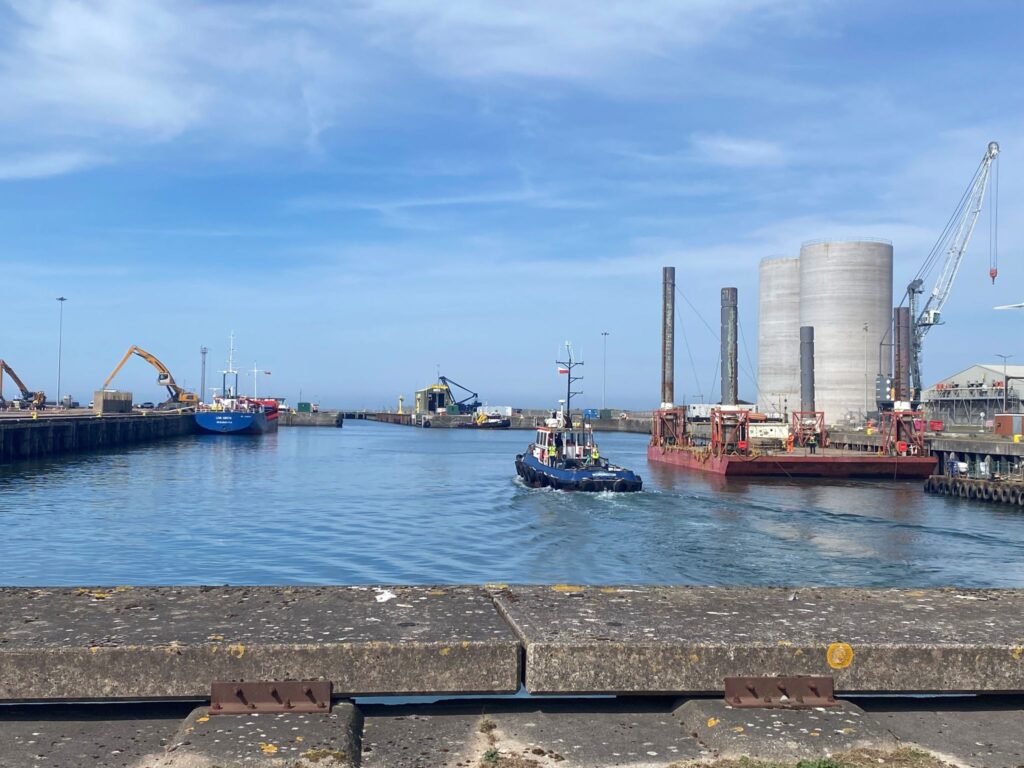
2028 will mark the centenary of the opening of the impressive Prince of Wales Dock in Workington, a port which today is undergoing major changes in the countdown to its significant anniversary.
With Scotland in sight and Northern Ireland just a few hours away, the port is ideally located on the west coast as a strategic hub according to port manager Ben Meil.
The 29-year-old may be one of the youngest in the UK to hold the position but a decade spent as a ships agent and the fact his father served in the Royal Navy while his grandfather was a lighthouse keeper in Orkney means maritime matters are very much in the family.
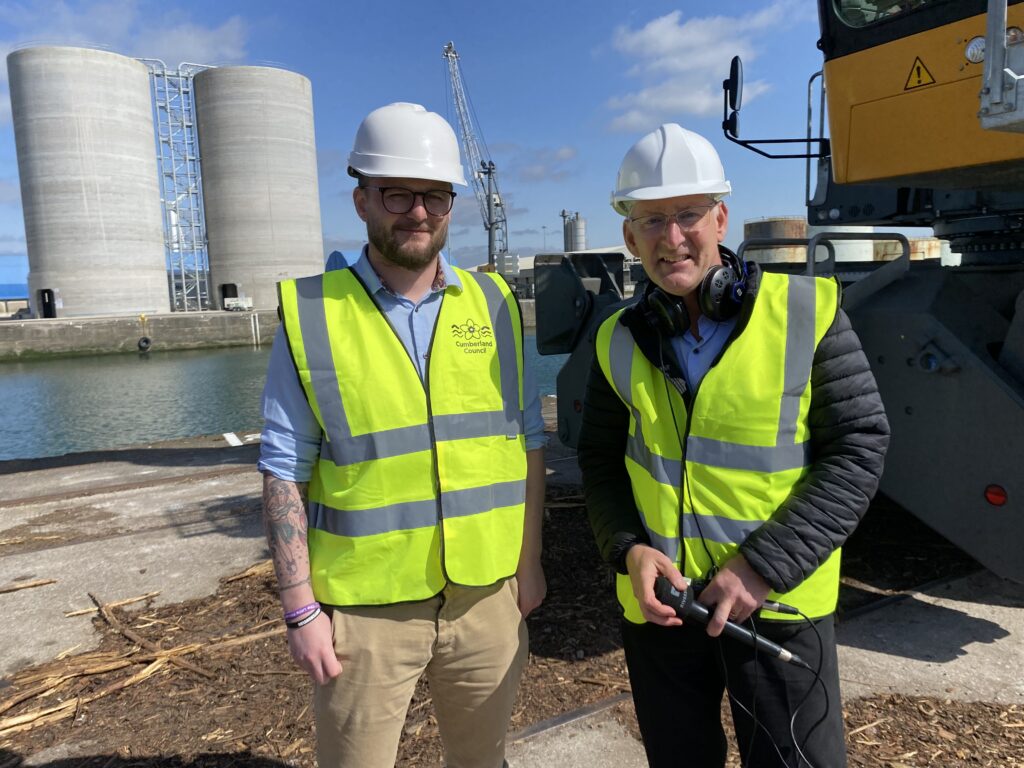
“The new road will be heavy lift capable which will allow us to handle big, project cargo pieces and increase our cargo handling capacity,” Ben said, pointing out construction work taking place just a few paces from the port offices, the nerve centre of the operation.
Since taking up the role in October, the former ships agent has been busy getting better acquainted with the port and the opportunities the Cumberland Council-owned facility offers for Cumbria and beyond.
Based in the area since 2018 the area is home to his family; his school teacher wife works in a local school and their children are in the town too.
“It’s exciting and completely international,” Ben said, speaking about his former role, while the possibility of developing his home port is something he’s clearly relishing.
“First and foremost we want to keep our current customers happy but we do want to get into new markets and different sectors in here,” Ben said as we walked along the quays in spring sunshine, the Scottish coast clearly visible across the Solway.
Handling up to 500,000 tonnes of cargo per year, the port is already busy with a variety of cargoes for customers involved in a range of industries.
The dock area includes warehousing and there are plans for more developments to appeal to an even wider range of customers.
The port’s main cargo handling facilities are centred on the Prince of Wales Dock, a modern enclosed area measuring 2.6 hectares and a quay frontage of 773m providing 7 berths plus a ro-ro facility.
With the industry very much in the headlines, Workington’s place as the centre of steel production in northwest England for 100 years is well known.
A favourite saying referred to the railway tracks made in Workington and exported through the port to other countries as ‘holding the world together.’
And while the port’s railway links and locos remain a present day asset it is also capable of handling a variety of other cargoes too.
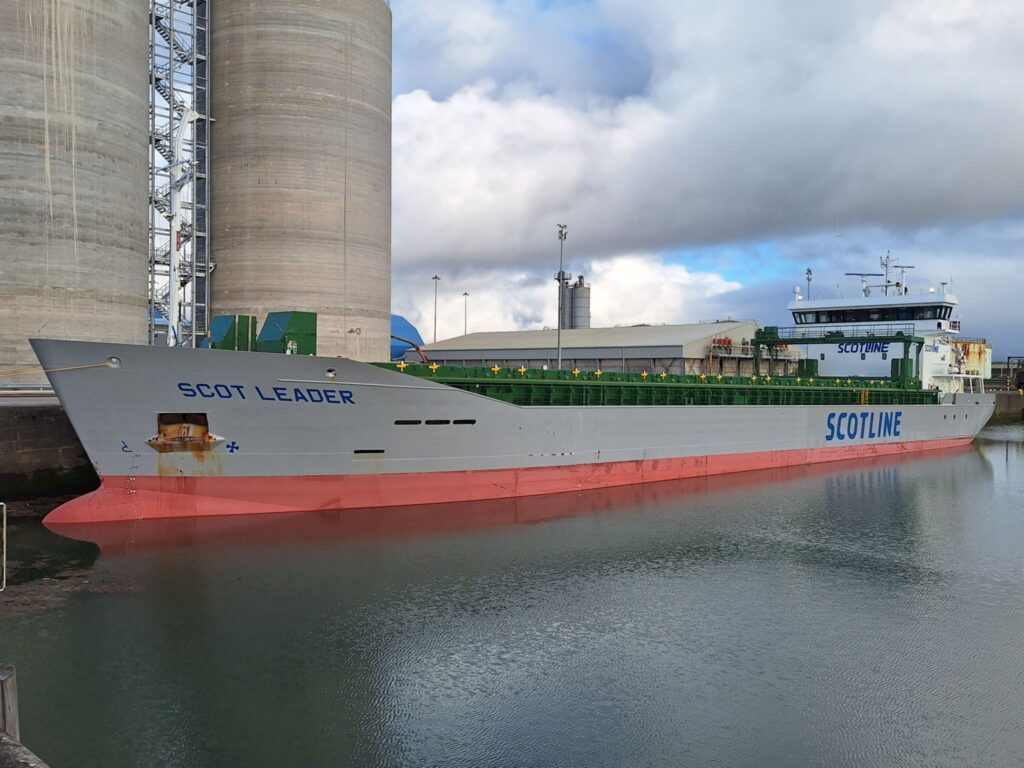
Two, 10,000 tonne cement silos which have become landmarks in Workington have been completed and are in regular use while the quay to the south frequently handles timber traffic.
“It’s all being used in the Cumbrian market and is a big step to securing business and jobs,” Ben said.
In between is RWE Renewables, which uses the port as a base for the operations and maintenance of the Robin Rigg Wind Farm in the Solway Firth. There is hope that Workington could be used for more offshore work in the future as plans to develop further farms off the Cumbrian coast progress.
Meanwhile the move towards sustainability will be highlighted later this month when the port plays host to the Sustainable Ports Association. An open day will enable people from the shipping industry, stakeholders, and local businesses see for themselves what the port has to offer.
A blueprint for the port’s future is due out soon.
For those keen to see Cumbria’s infrastructure flourish, as it approaches its major milestone, many will be hoping the port of Workington will be at the heart of it.