

A 1960s vacuum cleaner is among the items found in a nuclear waste store at Sellafield.
Sellafield Ltd said the site’s Pile Fuel Cladding Silo was one of the most challenging puzzles in the UK’s nuclear clean-up programme.
It has effectively been a locked vault since the 1970s, when waste stopped being tipped into its six compartments.
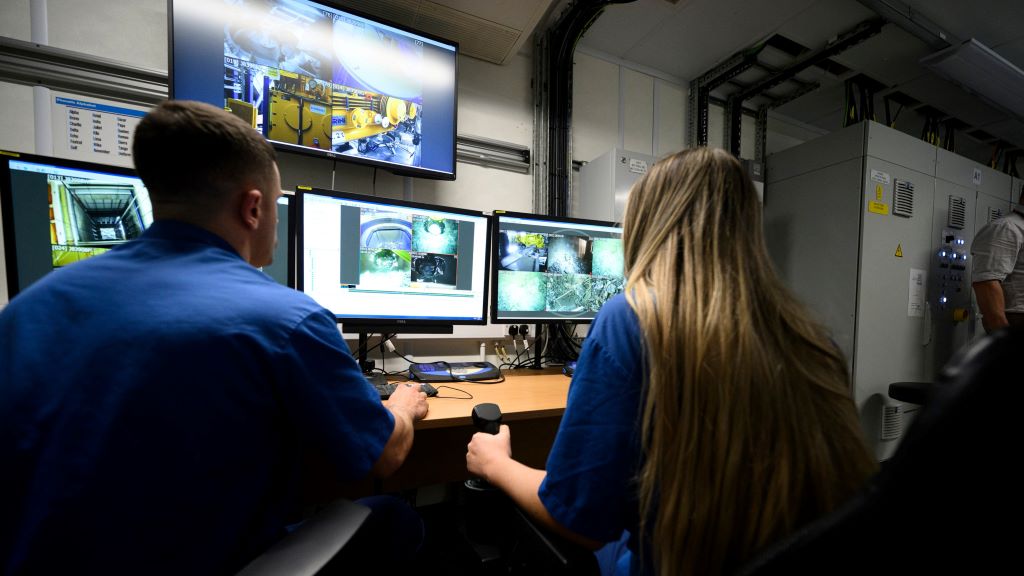
After decades of work to figure out how to take waste from a building designed never to be emptied, retrievals teams are now doing exactly that.
Waste is now being routinely retrieved from one of the world’s oldest nuclear waste stores for the first time in its history.
So far, enough waste to fill 18 storage boxes has been cleared.
And some of the items recovered are not what you would expect in an intermediate level nuclear waste store.
Among them is a 1960s Electrolux vacuum cleaner.
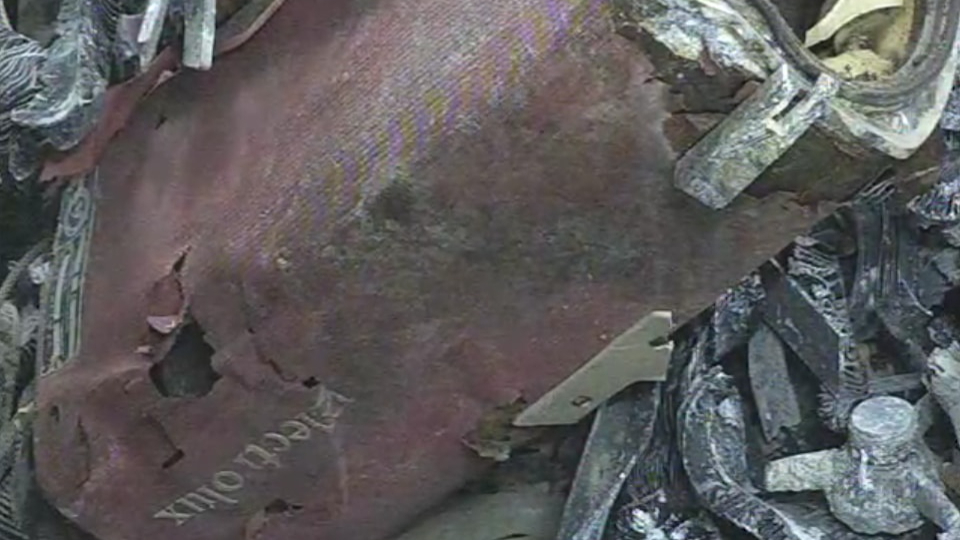
It is believed it was used to suck up dust in the facility during its operational life in the 1950s and 60s.
Because the dust was radioactive, when the vacuum was no longer needed, the only place to dispose of it was in the silo itself.
Roddy Miller, Sellafield Ltd’s chief operating officer, said: “It’s a fantastic achievement to get to the point where we’re routinely retrieving waste from the building.
“The scale of the challenge was immense. Remember, this was a facility that was not designed to be emptied.
“The vacuum cleaner is a great example of how challenging it is to clear this silo. We don’t know for sure what’s in there. They didn’t keep accurate records in those days.
“Anything taken into the building by the workforce of the day was likely to be contaminated because of the environment they were working in.
“There was no alternative disposal route for contaminated material, so everything just went into the silo.”
A modern-day vacuum cleaner is also playing a part in the waste removal job, sucking up dust created when waste is dropped into storage boxes.
It will eventually be consigned as waste itself, joining its 1960s predecessor.
There are another silo and two ponds that need to be emptied. The ponds store used nuclear fuel underwater and were also not designed to be emptied.
Each one of these buildings needs its own unique decommissioning plan and each will take decades to complete.
You can read more about the plan for the Pile Fuel Cladding Silo here: https://www.gov.uk/government/case-studies/the-pile-fuel-cladding-silo
Roddy added: “For the first time in our history, we’re routinely retrieving waste from all four of our legacy ponds and silos.
“That’s an incredibly important milestone in our journey to clean up the site.
“But there’s a lot of work yet to do and these four facilities will continue to challenge for many years to come.
“Our focus now is to safely accelerate the pace of retrievals and ultimately eliminate the risk these historic buildings pose.”