

A unique West Cumbrian non-profit is celebrating 40 years of changing thousands of lives.
Phoenix Enterprise Centre, in Cleator Moor, first opened its doors in 1985 offering up low-cost workspaces to encourage new businesses to start up in a bid to address economic decline in the area.
It has since evolved over the years to become the entrepreneurial and community heart of the town, and now helps people in two different ways:
- Providing low cost workspaces from offices to workshops and business support to help new and established businesses grow
- Providing lifeline advice and guidance to local families and people in need, including helping them job seek, get financial and benefits advice and even access food
It’s a unique contrast of services and it’s one that often sees successful businessmen in the same queues as people in desperate need of support.
But both sides of the services the centre provides have equally touched and changed thousands of lives across West Cumbria.
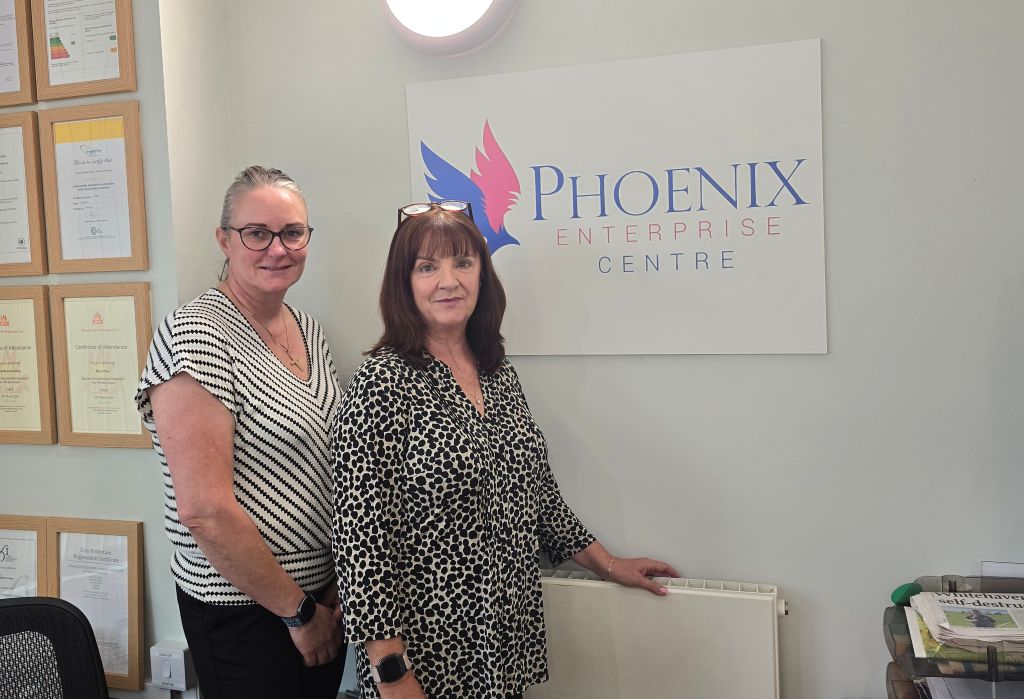
Joanne Crowe, executive director, said the centre has grown to be seen by local people as a vital community resource.
Born only 500 yards down the road, Joanne has been part of the centre for 22 years and has watched countless businesses flourish and dozens of people improve their lives with the centres help.
Fighting back against economic decline
The centre was first set up in 1985, after the Co-op, which supported the town’s economy, made the decision to leave the area in the late 70s.
Joanne said: “The Co-operative movement was very big back then in the town, so as they moved out, they left a lot of vacant properties.
“Really, the start up of our first 16 workspaces was a response to the economic decline of the town at that time.”
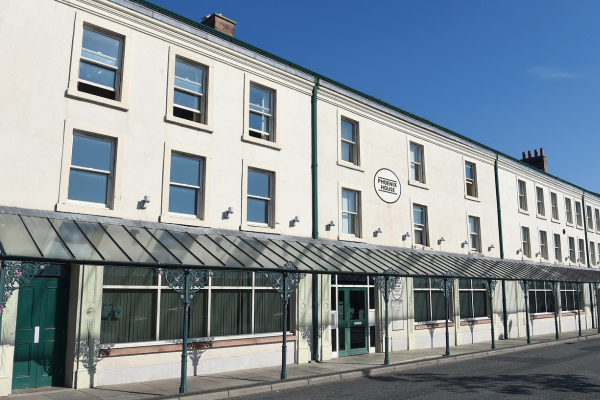
Initially known as Cleator Moor Workspace, the centre slowly grew over time and repurposed the buildings once used by the Co-operative Society, including its former supermarket, haberdashery, abattoir, mill and main offices.
Joanne said it was the centre’s current volunteer board chair, Bob Metcalfe, that was instrumental to its early development and success.
The centre has a mixture of both paid staff and volunteers and the board, which is entirely volunteers, is made up of a mix of experts in finance, commercial, local authority and more.
The workspaces range from simplistic concrete spaces with plugs, a sink, strip light and window, to office spaces. Solar panels have also been fitted to the buildings to help build sustainability into the town.
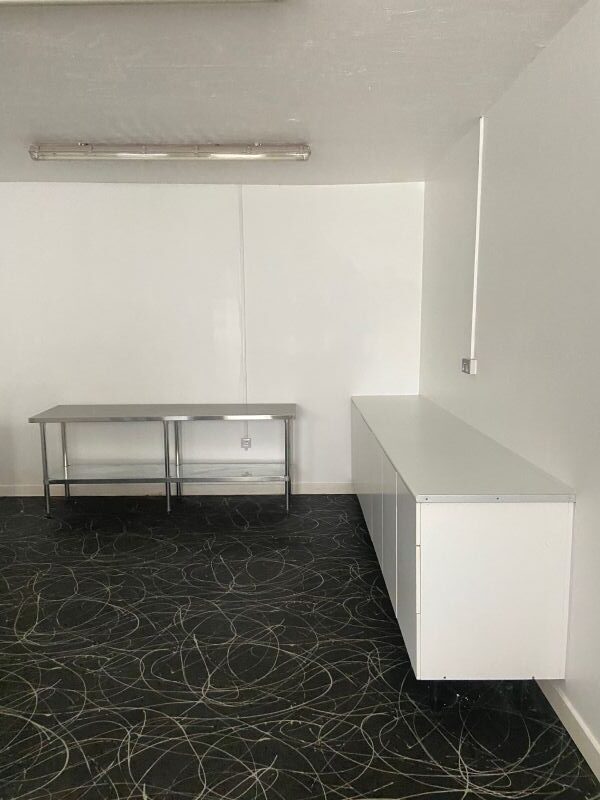
But what really made the workspaces attractive to businesses – and help the centre grow – was their low cost and simple rent agreement.
Joanne said: “The workspaces were and still are based on an ‘easy in, easy out’ licence agreement where tenants can give one month’s notice, no solicitors involved and no costs for setting up.
“You could come and try to set up a business and have a go for a total outlay of around four weeks rent and we try to keep it very low cost. Our smallest workspace is £35 a week.
“It’s a chance to have a go at setting up their business, and we give as much help and support as we can.
“We’ve got an on site business manager that helps and we can point out sources of funding and help with marketing advice too.”
It’s a concept that has since helped hundreds of businesses start, grow and thrive and it’s so popular, the centre is working on finding new buildings to set up more workspaces in the town.
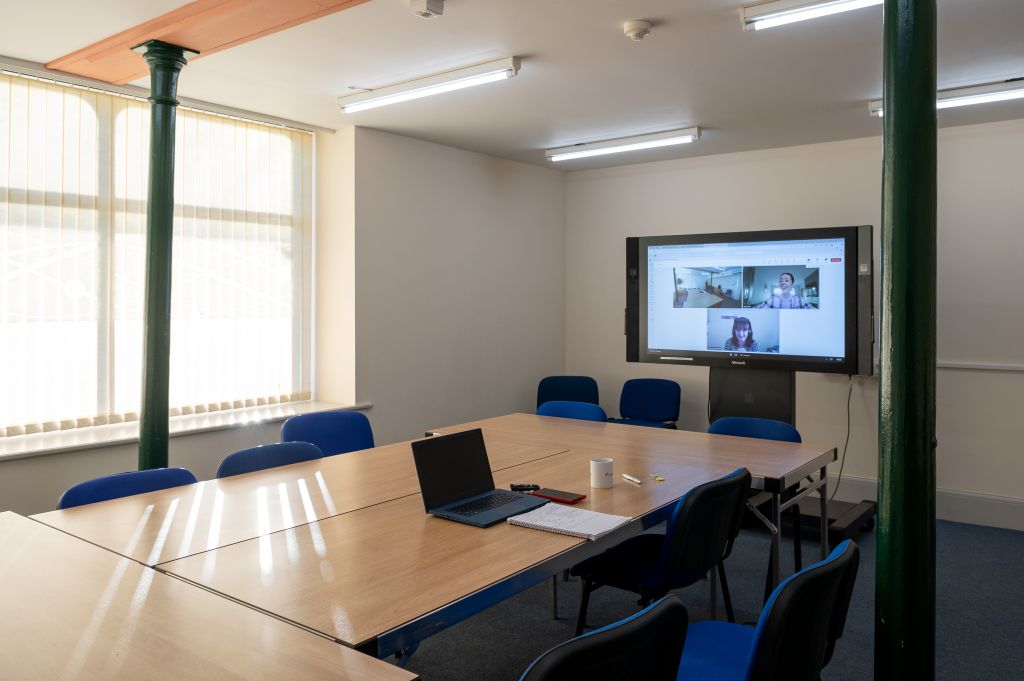
It has also brought in millions of pounds in investment to the town through the various phases of refurbishment it has put its buildings through – with the latest being the £1.7 million revamp of its Enterprise Centre as part of the Cleator Moor Town Deal, to bring high quality office spaces to the area.
Joanne said: “Today, every bit of available workspace accommodation we have is taken. We are bursting at the seams.
“One of our buildings has been closed for the last 12 months as it undergoes its £1.7 million refurbishment and we have demand for that building and a waiting list.
“We can’t wait to get that back online so we can bring more business into Cleator Moor.”
Helping people give small business a go
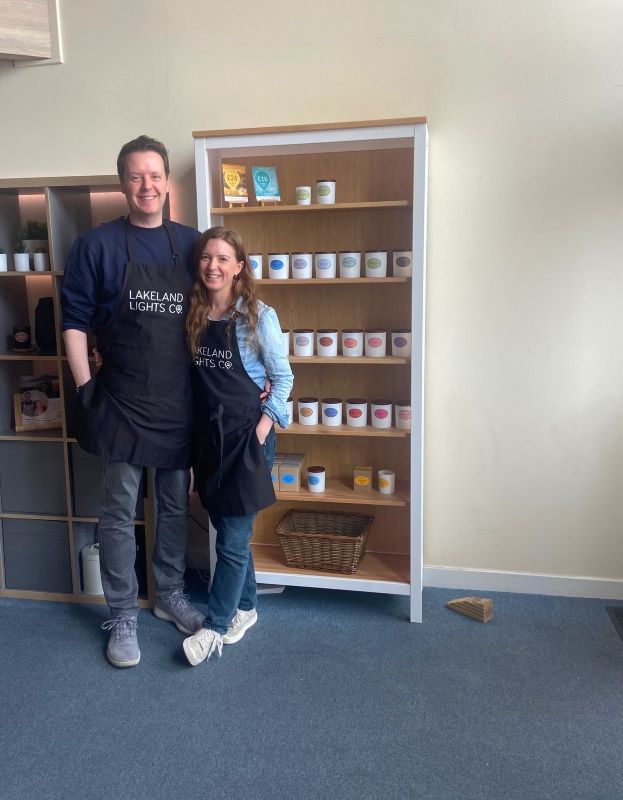
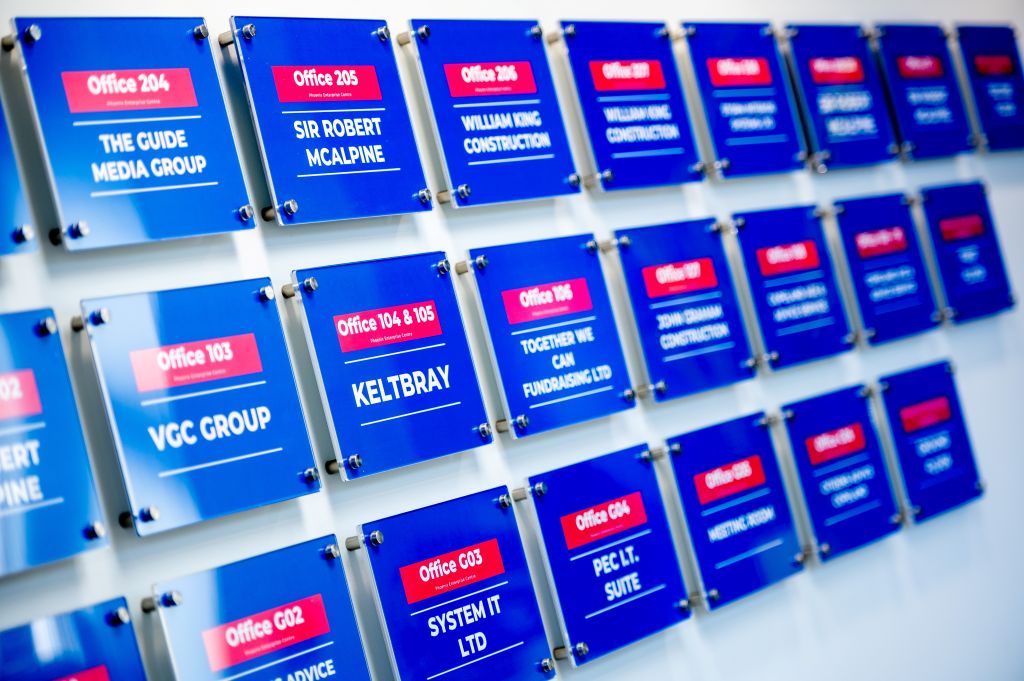
Hundreds of both big and small businesses have grown at the centre over the years, including the likes of Gen2, React, William King Construction, Lakeland Lights Candles and Dave Milling Motorcycles.
Businesses working on site are also incredibly diverse, ranging from artists to international businesses connected to the nuclear industry to bell tent hire, candle makers, construction, recruiters, tattoo artists, ceiling specialists and more.
Joanne said: “We currently have around 32 businesses based within our accommodation. There is probably around 200 people working within workspaces and offices in the town, with hundreds maybe even thousands working further afield.
“We have a real mix of micro businesses right the way through to the internationals. It’s great because we find business to business support is really strong.
“So if we have a painter, we make sure we employ that painter to paint our doors or if we have an electrician, we will use them to do electrical work.
“We use our own tenants wherever and whenever possible.”
The simple renting agreement is so popular with businesses that some have been with the centre for decades.
Joanne said: “Our longest serving tenant is Sawh Electronics, who I think has been here since day dot.
“Of course, back in then 80s, people did have their electronics fixed more than they do now, but they’re still delivering.
“It was Cecil Sawh who started it and it’s now Colin and Stephen Sawh, his sons, and it’s your typical open all hours business.
“They’re open all hours to catch people coming home from work who want to drop in their hoover or flat screen TV, but they are offering a really good service still.”
All kinds of services are able to be delivered on site, but no physical cash transactions are allowed, due to a covenant put in place by the Co-operative Society when it moved out of the town.
Joanne said: “There are no cash transactions, but they sell online and make up orders which are posted out or people call pick up their order instead.
“I don’t suppose when the Co-operative Society put that covenant on they realised that in years to come online selling and card would outstrip cash.”
The centre also runs employment projects and schemes to help local people find the confidence to start a business.
One particularly successful project was the Phoenix Entrepreneur Recruitment Campaign which offered start up support and three months of free rent to three small businesses.
The project was funded by £10,000 from the UK Shared Prosperity Fund.
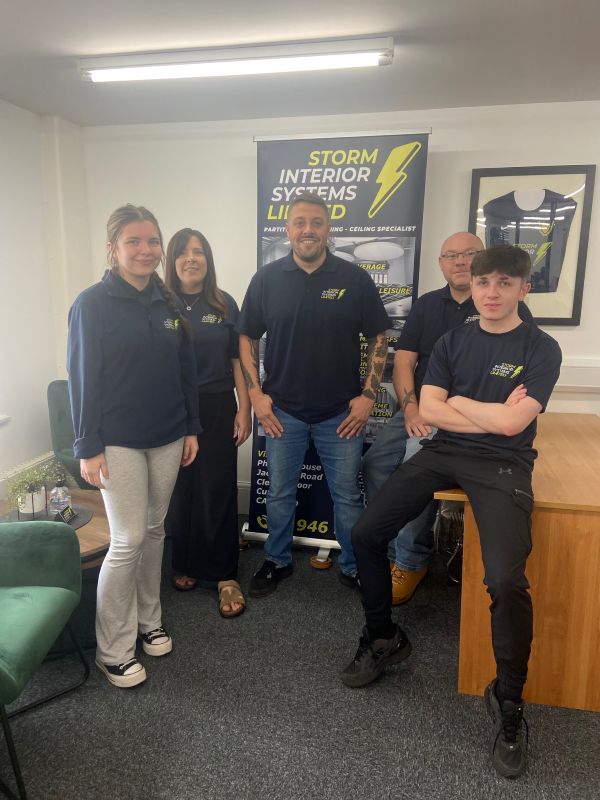
All three of the businesses chosen for the project – Lost Wood Tattoo Studio, Storm Interior Systems Ltd and West Coast Bell Tents – are still thriving today.
Joanne said: “Chris Salmon and his team at Storm Interior Systems, have extensive experience providing suspended ceilings, partitioning and acoustics solutions. They might be based in Cleator Moor but work all over the country.
“They took a workspace with us and a few months later they took an office and two weeks ago they moved into the biggest office we have.
“They’ve also just taken on two new apprentices and they’re flying and that’s just from a £10,000 business start-up project.”
While the Covid-19 pandemic saw many businesses close their doors for good, the centre bucked the curve.
Joanne said: “I think one of the things that really astounded me was when Covid hit. We had 30 odd businesses based here, all having to only give a month’s notice if they wanted to leave.
“I thought this is where the hammer falls, because everybody is going to put their keys on the table and say I can’t work, I can’t trade, I can’t anything.
“Two businesses handed their keys in, but 10 new businesses started up.
“It was astounding because a lot of people lost their jobs, especially in leisure and hospitality businesses, but it led on to a lot of people saying you know what, I’m going to have a go and try something new.
“So it’s about job creation as well.”
One of the success stories that stands out in Joanne’s memory is William King’s origin story.
She said: “In 2011, William King, who was just a one man builder at the time, came to me and said he needed a workspace.
“So he took one of our metal bashing workshops at £35 a week and he said he needed somewhere to put a desk for his wife so she could do the paperwork.
“He built her a little partitioned cubbyhole in his work space and they started from there.
“Here we are 14 years later and he’s got 70 members of staff, he’s got contracts at Sellafield and he builds award-winning houses.
“But it started from very humble beginnings and he’s doing fantastic things.
“I think he’s just invested in a social enterprise to do with bringing on the next generation of housebuilders to promote the sector. So he came to us, we helped him and now he’s helping other people.”
Making a difference in the community
Alongside the centre’s business work, it has also been providing lifeline advice and guidance to people in need for the past 20 years.
Operating as a non-profit, the advice and guidance work is supported by any surplus from the business focused side of the centre and external funding.
The support it offers ranges from advice and help with job seeking, finances, CVs and benefits to also offering access to a computer to find employment, citizens advice and emergency food parcels.
It also operates as one of only three customer facing receptions in the town, which Joanne said has turned the centre into a vital community asset.
She added: “We find that the community drop in for many varied wonderful reasons, everything from needing the next bus time through to my drain is blocked, who do I report it to, and we help them.
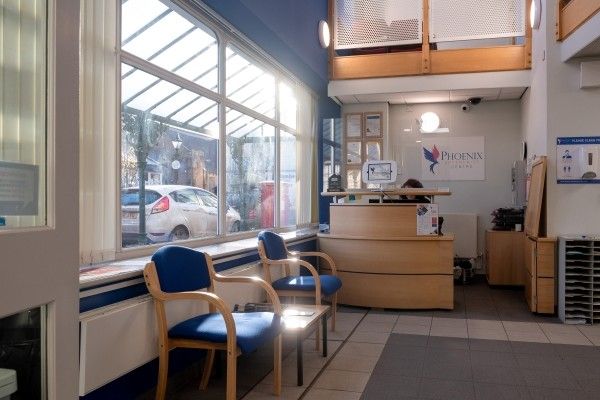
“I think the community see us as a community resource, no matter what question, we might not do it here, but we do know where to send people to.”
Joanne added: “We’re a landlord to all these businesses, but we also have this other side. Over the last three years I think we will have seen 1,500 unemployed and benefit dependent people across our three sites we have.
“We will move at least 200 of those people into jobs and I think at the last count around 1,800 people had received food through the project who were in financial distress.
“I remember one time walking into reception and seeing a line of men in black suits with briefcases mixed with people with dinner medals down their shirts, it can be a stark difference.”
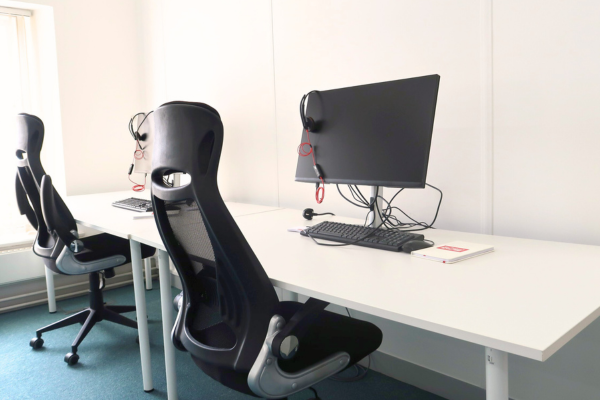
The centre’s Digital Access, Advice, Food and Support project – or DAAFS for short – has enabled dozens of people without computer or internet access to search for jobs, fill in applications, do online interviews, set up email accounts, check their benefit entitlements and sign up for and manage their Universal Credit.
People in need of support are invited into one of the centre’s three IT outreach centres and are given support by staff on hand.
Joanne said: “When people come in they come into this IT centre, quite often, they use these computers to make informed decisions about their lives.
“They’ve often not had the access to the internet before or maybe don’t have the skills to use the internet and all of a sudden it opens up a whole new world.
“We still have a high proportion of people in this area who do not posses the digital skills or have access to digital devices in order to meet the requirements of the DWP and Universal Credit.”
Joanne said that the centre aims to help people break the cycle of deprivation and escape the benefits system.
She added: “I think with the introduction of Universal Credit a few years ago, it’s a household benefit, so if one person is affected in the household, everybody is.
“Really there isn’t a great deal of encouragement for someone in a Universal Credit household to break free and go out and work because it affects the whole households benefits.
“When you sit and look at the need in your community and how low attainment at school can lead to no or a low paying job or poor housing and poor health, it’s the cycle of deprivation and it’s about what you can do to break it.
“And our IT centres have been a big big support to people.”
During the pandemic, the centre also set up a food pantry service to help address food access issues in the town.
Joanne said: “We found that people were really struggling to get access to food and it went right across the age ranges from younger people right through to the older generations who were terrified to go out.
“We’d have mums with children, who maybe normally caught the bus to go to Whitehaven to go for shopping, but they didn’t want to take their children on buses due to the Covid risk and they were going to the corner shop instead.
“The quality and quantity was reduced at the corner shop and the cost was highly inflated. So people were really finding themselves in financial distress, not being able to put nutritious meals on the table.”
The food pantry was initially intended as a ‘sticking plaster’ short term solution, five years later, Joanne said their support is still needed due to welfare reform changes and the cost of living increases.
Joanne said while the funding for the food pantry project ends in September, it will not stop the project entirely.
She added: “We can tell you what the need is in the community, but then you’ve got to find willing funders.
“What I’m finding is that many of the funders in the area are starting to prepare for devolution, which means they are waiting to see what the new mayor’s priorities will be and how they can align to those.
“So we are going to be continuing on with the project, but instead of having a team of five, some are retiring and I’ll have a team of two.
“I think this time next year when we know who the mayor is and what the priorities will be then we can start to align our work for whatever need we have in the community.”
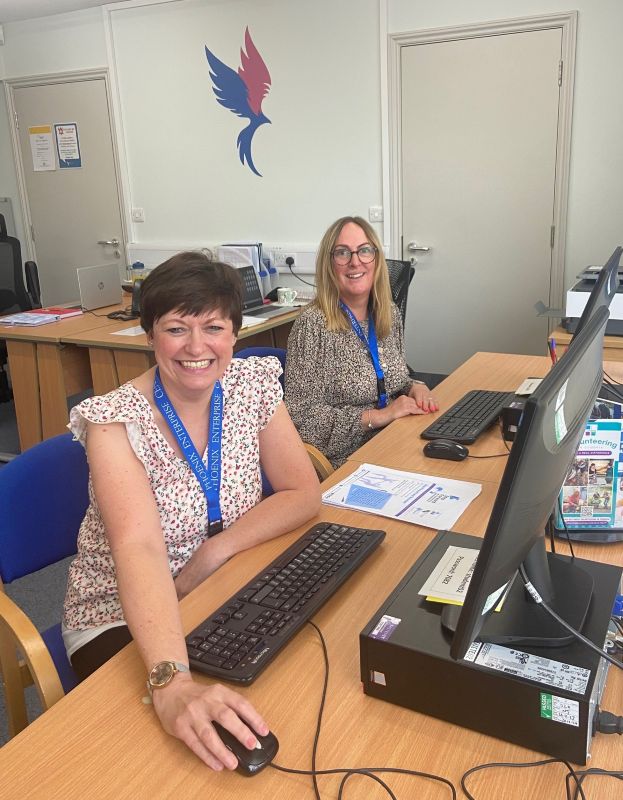
One of the best success stories Joanne recalls saw a youngster turn his life around through both sides of the centres services.
She said: “The one that sticks in my brain that I take the most joy from was a young man who we managed to get a job and wage subsidy with one of our tenants.
“After about three weeks I asked the tenant how he was getting on and the tenant said not good and that he was going to have to let him go.
“I asked what had happened and he said he was late for work every day, so I said let’s sit down and sort this out.
“I spoke to him and asked him why he was late every day and he said it was because he was so tired in the mornings and that he couldn’t get up.
“He said he wasn’t getting to sleep until 2am because of his brother playing guitar and his mam and dad having the television on.
“I asked him why they were doing that when he had work the next day and he said because him working affected the household benefit.
“Every single person was on a disability benefit in that house, and because one person in the family got a job, it meant it affected all of their benefits. So they tried to sabotage his job.
“He was 19 years old, so I said it’s time to make decisions for yourself. He got his own place so it didn’t affect their benefits and he now works in the police service.
“He’s married with four children and he’s thriving, but he could have got stuck in the benefit cycle.
“He is a fantastic member of the community who contributes and he’s broken that cycle of deprivation.”
Future growth
Because the services on both sides of the centre are so in demand – growth is a priority.
She said: “As an organisation and as landlords with tenants we need more space. We’ve finally got our phase three refurbishment coming back online at the end of this year and that will give us more space and opportunity to get more businesses into the town and to run more programmes.
“We’ve also got another exciting project in town that will add more strings to our bow, but it’s not signed off officially just yet. We also want to get more accommodation at the right time and price so we can source funders.
“Being 100 per cent occupied is great for the balance sheet, but it’s not good for your business plan, because we have nothing to offer at the moment for people who want to downsize or grow.
“I was kicked out of my office about 12 months ago because of demand and I’m now hot desking in the finance office. So we need more space, definitely.”
Joanne added that for the advice and guidance side of services, the focus is on how devolution will progress in the county.
She said: “We want to see devolution happen if it’s going to happen, we want more certainty around the area’s future.
“There’s an awful lot happening around welfare reform changes and I’d like to see certainty around those too and then I think this time next year we may well be looking to scale up our advice and guidance services again.”
Joanne added that they’d also like the centre to not remain West Cumbria’s ‘best kept secret’.
She said: “We were told during a social return on investment evaluation that for every £1 that we have been given to do our work, we return £17 to the community.
“They also told us that we are a small local company, with national significance and that if only we weren’t the best kept secret, the model of operation could be replicated.
“I do know what we do is massive, but we want to make sure we’re no longer that best kept secret.”