

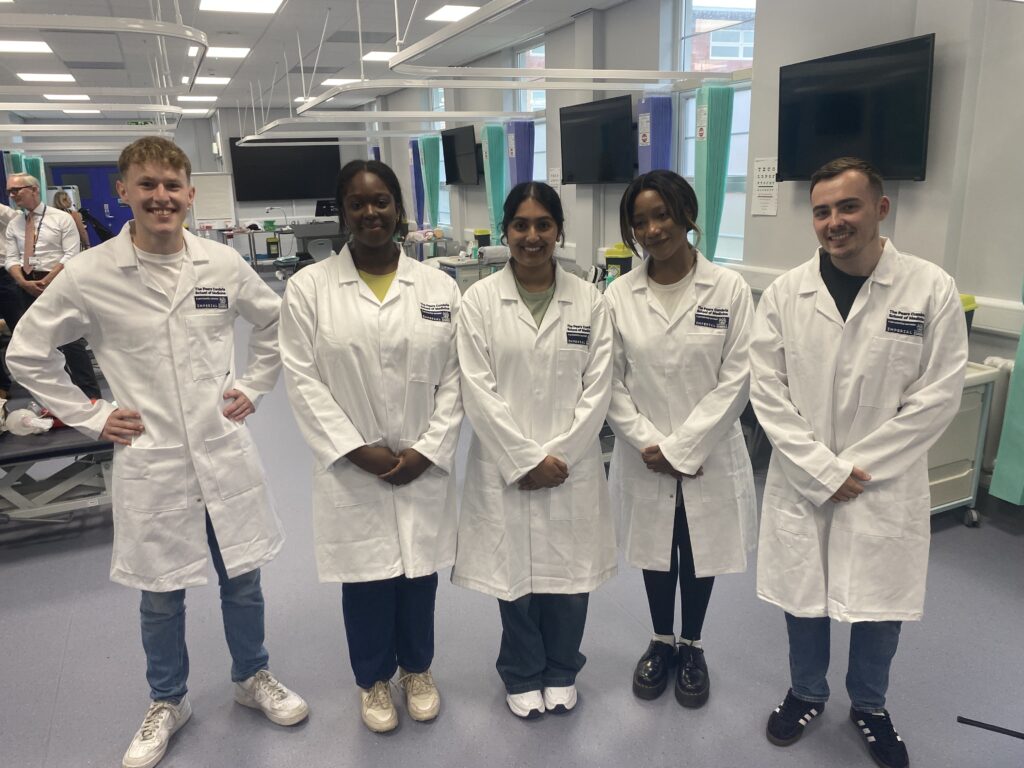
The first of a new breed of doctors who could make a major difference to the lives of people across Cumbria have begun their studies at the country’s newest medical school.
A collaboration between Imperial College in London and the University of Cumbria, the Pears Cumbria School of Medicine is the first graduate-entry medical school in Cumbria.
Business Crack’s Nigel Thompson has met some of the first cohort and heard how it’s hoped they could soon be making a difference to the health of Cumbrians.
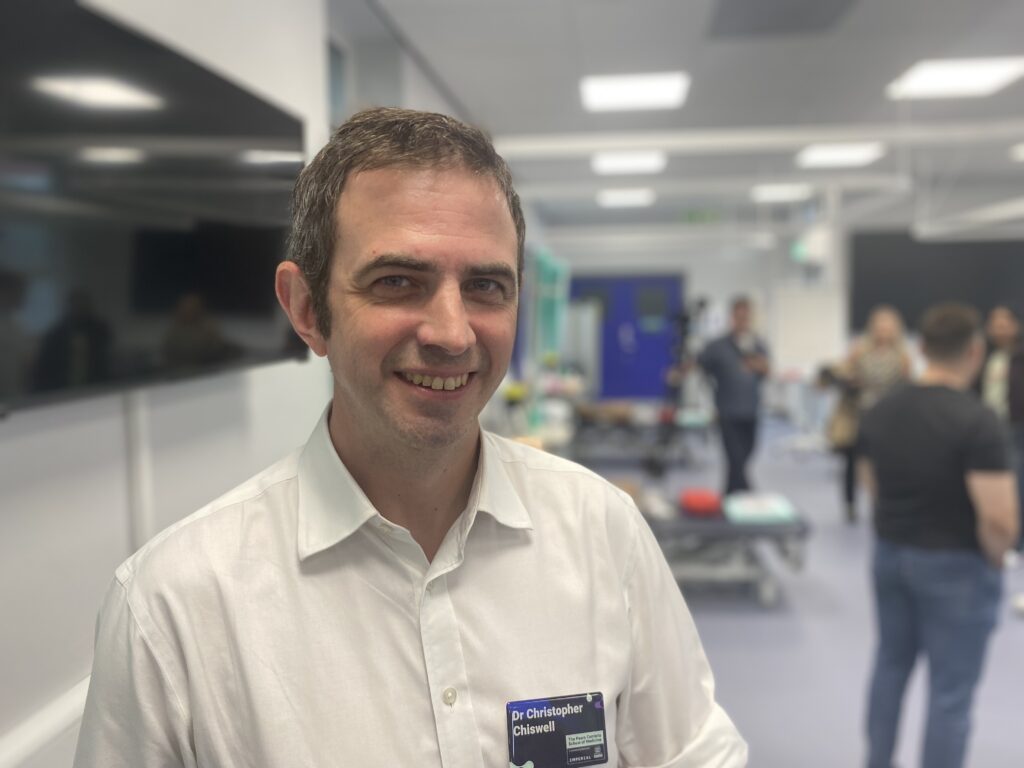
“We’re creating a generation of doctors here who think differently,” Dr Christopher Chiswell told me as he showed me around a specially designed ward which has been created in the Fusehill Street campus in Carlisle.
Rows of beds and the kind of medical kit that can be found in wards across Cumbria are laid out in the clinical skills laboratory.
A consultant in public health medicine with the University Hospitals of Morecambe Bay NHS Foundation Trust, Dr Chiswell will spend a day a week teaching prevention and healthcare delivery and doubtless sharing his experience of treating patients from wide ranging home lives.
“As you look across Cumbria there is an incredible mix of people – some communities face a lot more adversity than others,” Dr Chiswell said.
“ Opportunities are not equally shared around Cumbria. There are real differences in life expectancy we see right around the Cumbrian coast. We’re having that conversation now, at the start of the course, at a school that has a vision to produce medics who will understand that and recognize that for many it’s all of the other things that are going on in their lives that affect whether they’re healthy or not.”
He added: “We need to train medics who actually understand that the reasons that people fall ill are not necessarily all under their own control.”
The story of how the school came to be in Carlisle is fascinating.
A recognition by Imperial College, a top rated established medical school, that more should be done to train doctors in parts of the country where health needs help along with the ambition of the University of Cumbria to do more in the county led to the collaboration that begins in earnest this week with the first 58 students now undergoing training.
“ It’s a marriage made in heaven because the University of Cumbria and Imperial College are very different in what they do,” Prof Martin Lupton, the vice dean of education at Imperial College, said.
“The University of Cumbria brings a whole set of skills that we simply don’t have at Imperial College in London. They train different sorts of staff and we bring a different kind of expertise from London and together we make something which we think is going to be a really special environment for a medical school.”
He added: ”I’ve always been conscious of the fact that as an institution, Imperial can always do more to try and reach out into places where there is a great deal of health inequality. It’s something that’s bothered me for a long time and I wanted to do something while I was in practice that would maybe make a difference.”
An email to Cumbria’s deputy vice chancellor started the medicine ball rolling and began the process for the opening of the country’s newest medical school.
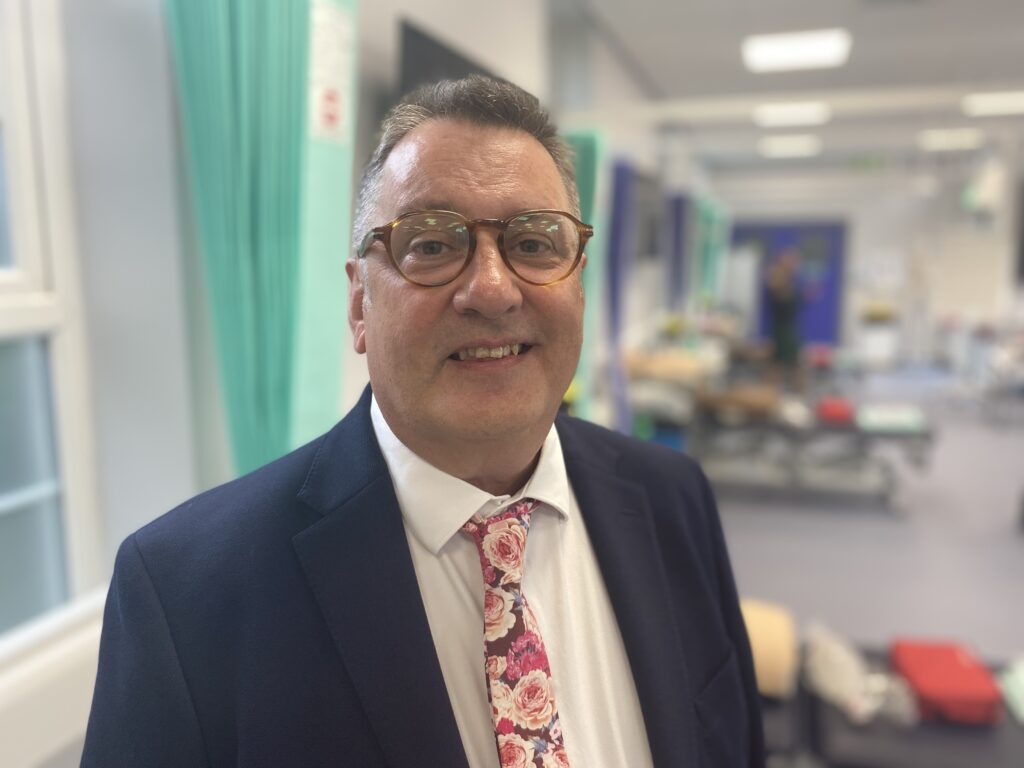
“The university has a huge experience in providing nurses, midwives, psychologists, diagnostic radiographer, physios, paramedics and occupational therapists,” Prof Brian Webster Henderson, Cumbria’s deputy vice chancellor, told Business Crack.
“We are a university in a region where there was a medical shortage and we knew we couldn’t tackle it on our own. So going into partnership with another university and the best is good for Cumbria.”
And the ambition does not stop with the medical school.
“We’re also looking at our research links with Imperial and building on research in our health economy within Cumbria so there’s many added benefits to the medical school in the region,” Prof Webster Henderson explained.
“We’ve already established our medicine research hub and in the process of establishing an education hub, and that’s about offering quality support, advice, learning, teaching for practitioners and researchers that are already in the region or want to come into the region.”
Support for the students even extends to providing driving lessons for those who cannot drive a car; a recognition that they will need to be able to make their own way around an area where public transport can be sporadic.
The students themselves come from all over England.
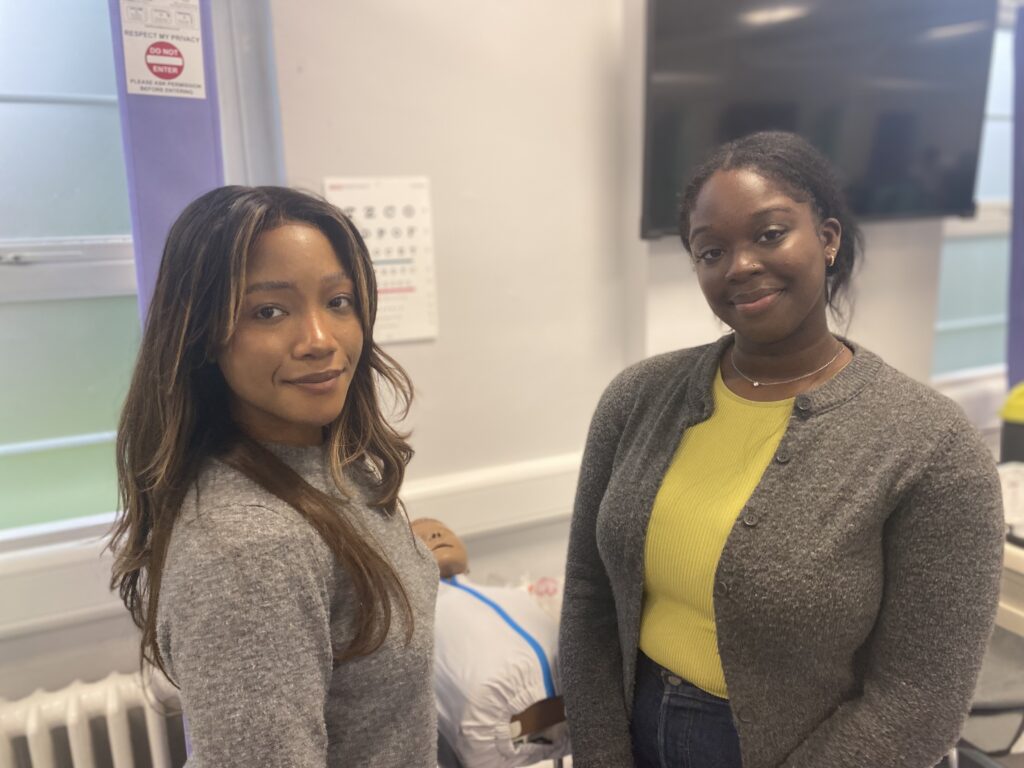
As well as a number from across the north I met Angel Erhunmwusee from London and Anthonia Anorh from Essex, psychology and biomedical science graduates.
“ Using my own background of the things I’ve done to get into medical school this unique opportunity aligned with my vision,” Anthonia said.
“I’ve been to rural areas in Essex so I thought this was a brilliant opportunity for me to grow my personality more and also learn from the people that I’ll be helping.”
Angel said she had been shocked to learn about the wide differences in life expectancy.
“ I found out that on average 60% of people have a life expectancy that’s below average,” she said. “They are giving us an opportunity to make a difference and make sure that they have trust in healthcare and in us.”
Support from the Pears Foundation provided the financial help to launch the ambitious project to tackle the chronic shortage of doctors in Cumbria and – importantly – improve the prospects of retention in the region.
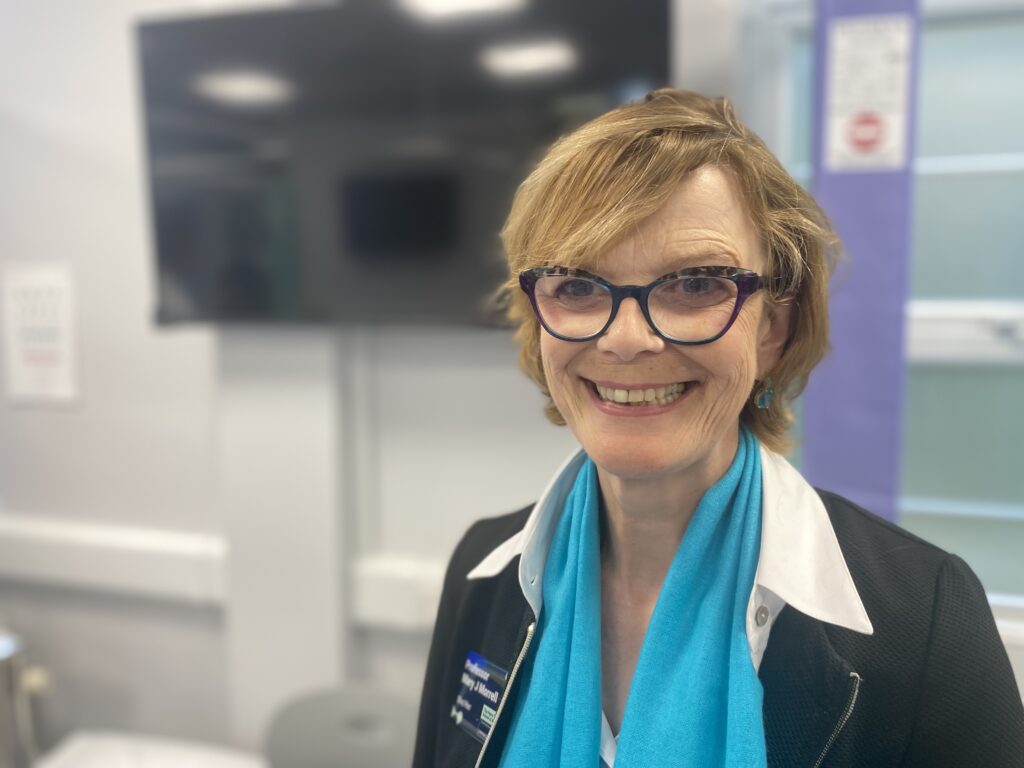
“ The vision of the school is to improve the health outcomes for the people of Cumbia and we’re going to do that by training doctors who will hopefully want to stay in the region,” head of school Prof Mary Morrell told Business Crack.
“Supporting them to understand how research can help their medical practice, and also bringing together people in the region who are interested in medical education so we can create a real focus for training doctors here.”
The first cohort may still be getting used to wearing new white coats but the job of recruiting more students next year is already underway.
It’s a big week for the University of Cumbria with the keys of the university’s newly built Barrow campus due to be handed over this week too.
This, and the medical school, is proof of a continuing ambition to make a difference in Cumbria according to deputy vice chancellor Prof Brian Webster-Henderson.
“We’re in this for the long haul. Over time this will make a substantial difference for healthcare in Cumbria.”