


Can beer ever be made sustainably?
That was the question Tim Bloomer, founder and sustainability director of south Cumbria-based Fell Brewery, set out to try and answer.
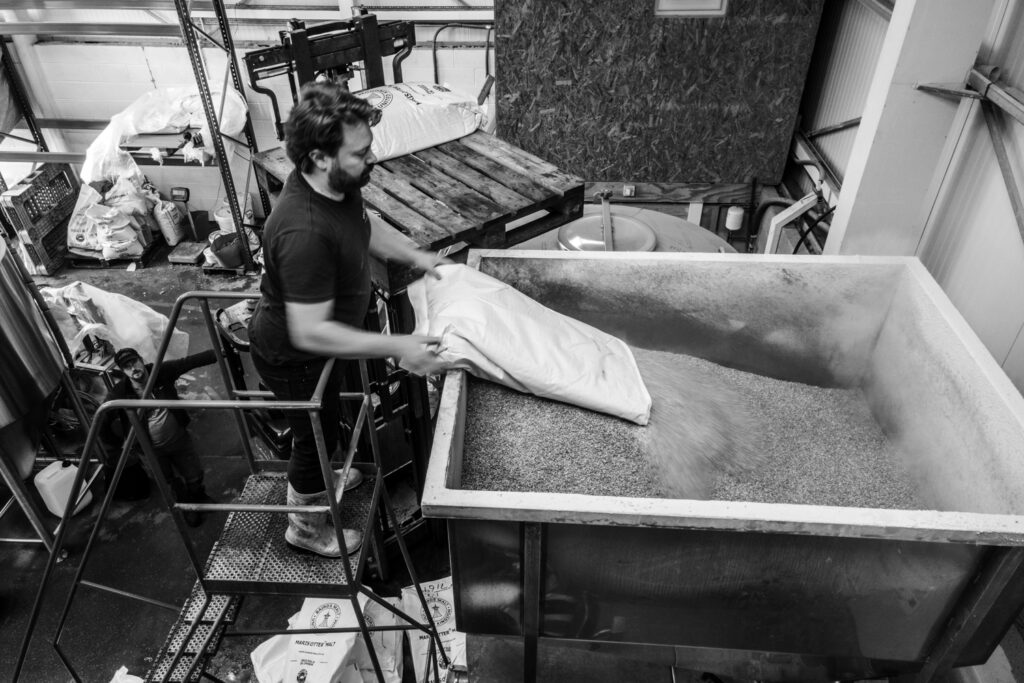
The solar panels and careful use of resources at their Flookburgh production site are all well and good but the process of brewing relies on using materials which are intensively farmed.
“When we had our numbers crunched we weren’t surprised to learn that grain is the biggest source of our carbon emissions,” Tim said.
“Barley is carbon intensive to grow thanks to large requirements of fertilisers and the need for lots of energy to malt it into grains to allow us to brew our beers.”
Fell concluded the only way to reduce the company’s emissions was to get more beer from less grain – no mean feat.
“In an ideal brewery every last molecule of starch would be perfectly dissolved into our wort and every morsel of sugar would end up in our fermentors,” Tim said, reflecting on the results of year-long study which challenged Fell’s brewing team to gain the optimal yield from ever brew.
Brewers monitored flow meters during each brewing cycle along with data sheets and recipes.
The exhaustive surveying process concluded at the end of July and after a month of considering the results some interesting conclusions have been drawn.
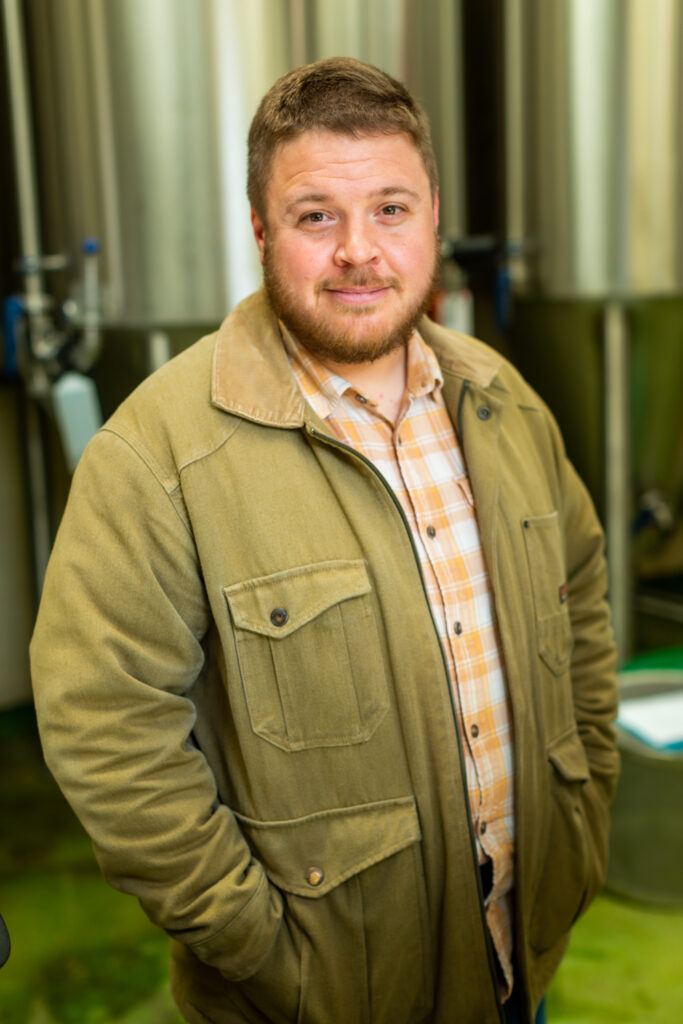
More beer – an increase of 11% was recorded – yet less grain (9%) was used to make it. Fell calculate that equates to an improvement in production of 21%.
“In carbon terms the work means the carbon intensity of our beer has been reduced by in the region of 15gC2e/L (15 grams of carbon dioxide equivalent per litre) which is about 5% of where we were in 2023,” Tim said.
In a business where raw materials are an essential part of the process he’s made two conclusions which, as a manufacturer who is keen to share his passion for carbon reduction, hopes others may consider.
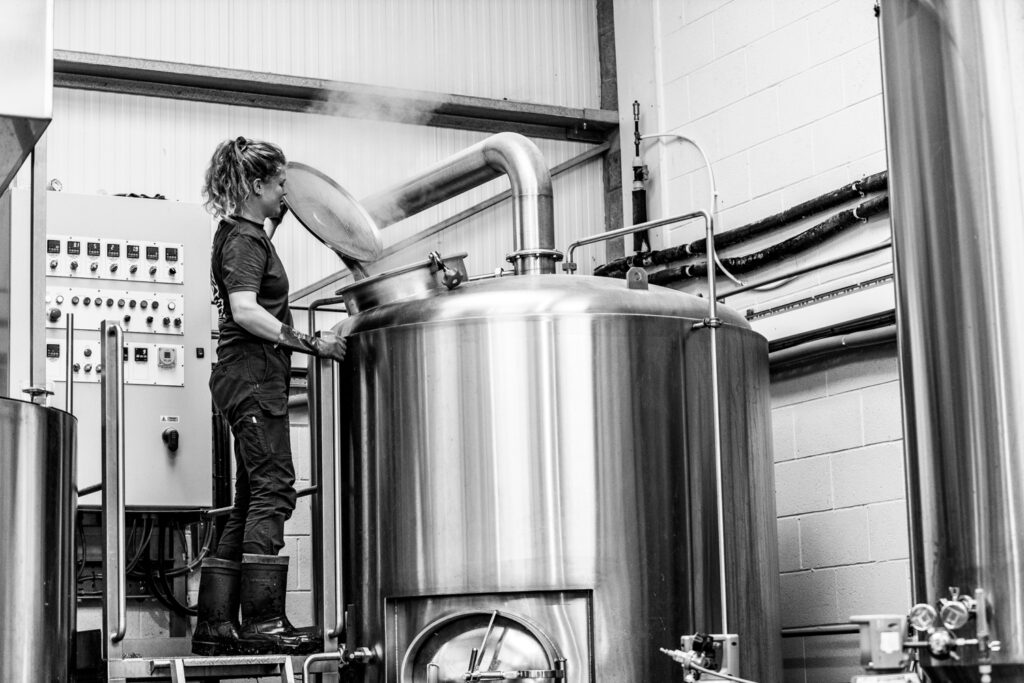
“Reducing your emissions doesn’t have to cost thousands of pounds worth of upfront investment – using what you already use more efficiently is pivotal,” Tim said.
“The commerciality of this work speaks for itself; our brewers have saved the brewery real money.”
And that’s a fact all businesses can drink to.