

Efforts by politicians, tourism leaders and supporters are being stepped up in a bid to entice more tourists to sample the attractions of what they say represents the ‘true North.’
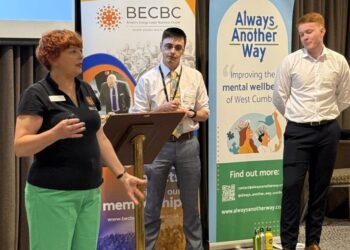
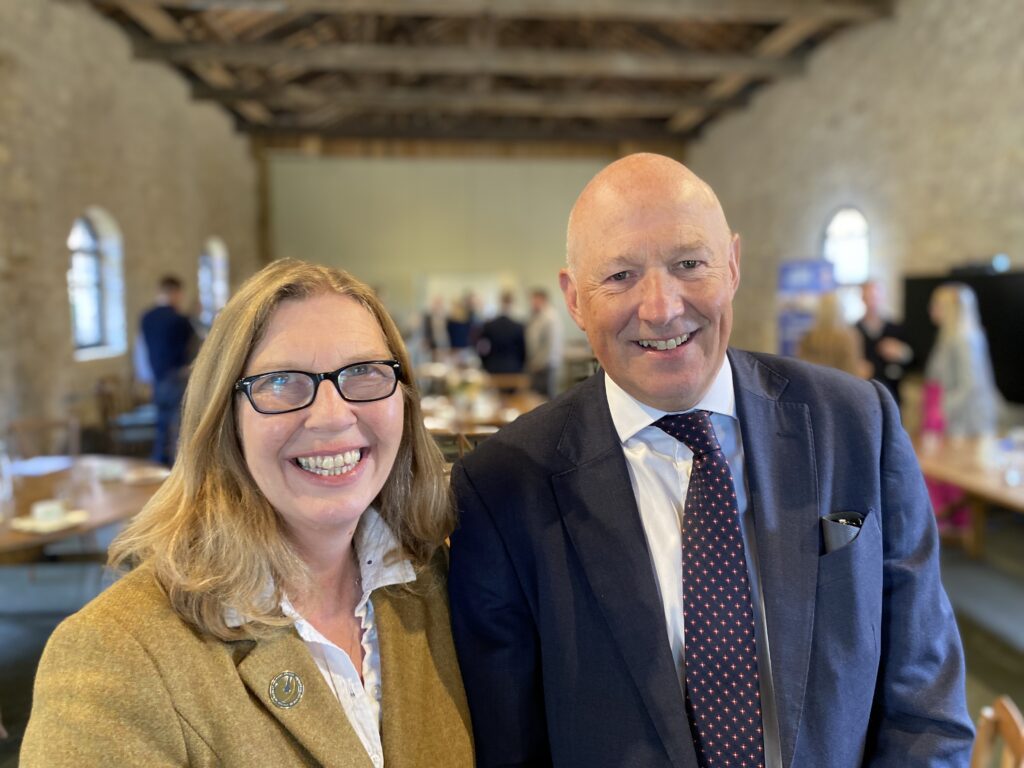
A gathering of guests drawn from both sides of the Pennines was held at Raby Castle near Barnard Castle today, Friday September 12.
It was the idea of the True North Research and Policy group, which is led by former Carlisle MP John Stevenson.
“ True North emerged after the General Election – before that there had been a lot of policy discussions in political terms about the North, but it tended always to be about Manchester, Leeds, or Liverpool and we concluded that actually there was a place for the ‘true North’ which is the North East and Cumbria,” Mr Stevenson told Business Crack.
“We’ve got to promote our region and the vision for our region, and it’s about influencing national politics. But also local government and local politics and coming up with policies and ideas that we think will improve our region.”
Key to that is tourism. Often seen as a ‘fun’ industry it is a major employer across the North bringing significant income with it.
In the North East over the last five years, full time equivalent jobs in the sector increased from 12,133 to 13,795.
In Cumbria 43,514 people, around a quarter of the county’s workforce, work in the sector.
Yet more could benefit from a career in a sector that many at the event said was ripe for growth.
Hannah Fox, of Bowes Museum, highlighted a project which has seen young people gain vital transferable skills. A similar project at Beamish was mentioned by Rhiannon Hiles from the charity who spoke of her pride at seeing ‘graduates’ from the museum move on to new roles elsewhere.
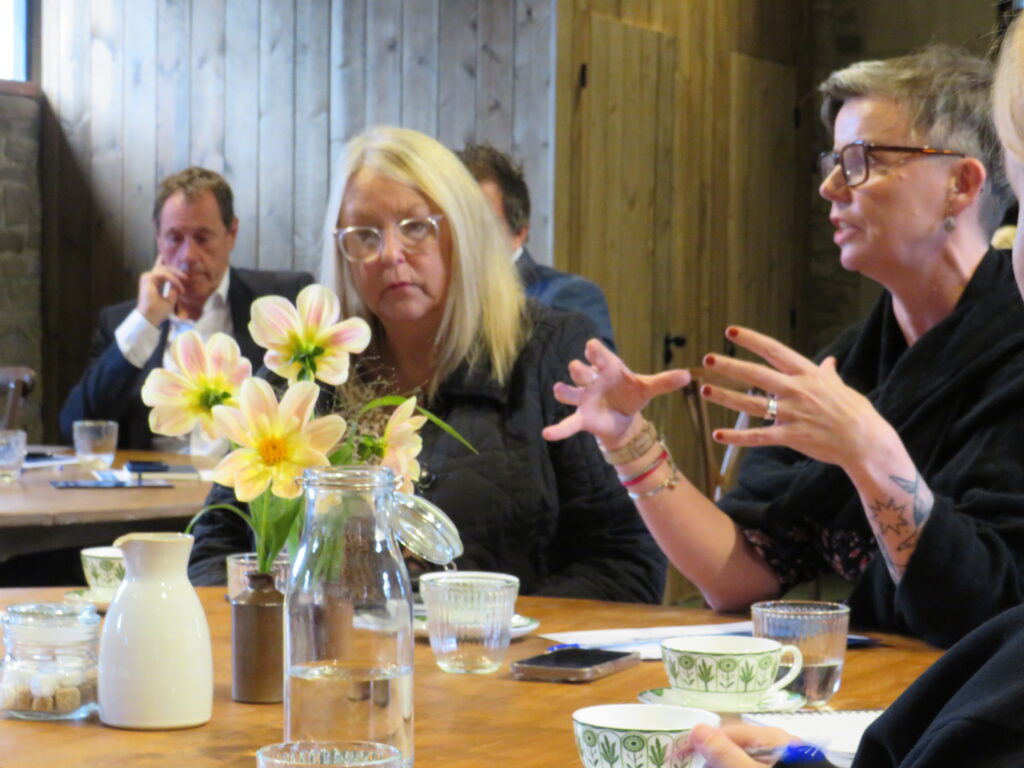
“I don’t see it as losing someone, I think the region has benefited from Beamish,” she said.
Alison Gwynne, the chief executive of North East Screen, said runners needed in productions were an ideal introduction to an industry that successfully showcases the north.
“How often do people take a screen shot while watching a TV programme and say ’where’s that?’ or ‘I’ve been there’ and you get a sense of real local pride when your home area is on TV,” she said adding how the sector had recorded a 131% growth over four years.
While Robson Green, Helen Skelton and others now frequently promote locations in the North, there’s real concern that the tourism ‘offer’ of the north is often drowned out by PR for London and Edinburgh.
Just 5% of arrivals at Newcastle Airport are visitors from abroad and, anecdotally, they and passengers from Europe entering at the city’s ferry terminal head straight to Scotland.
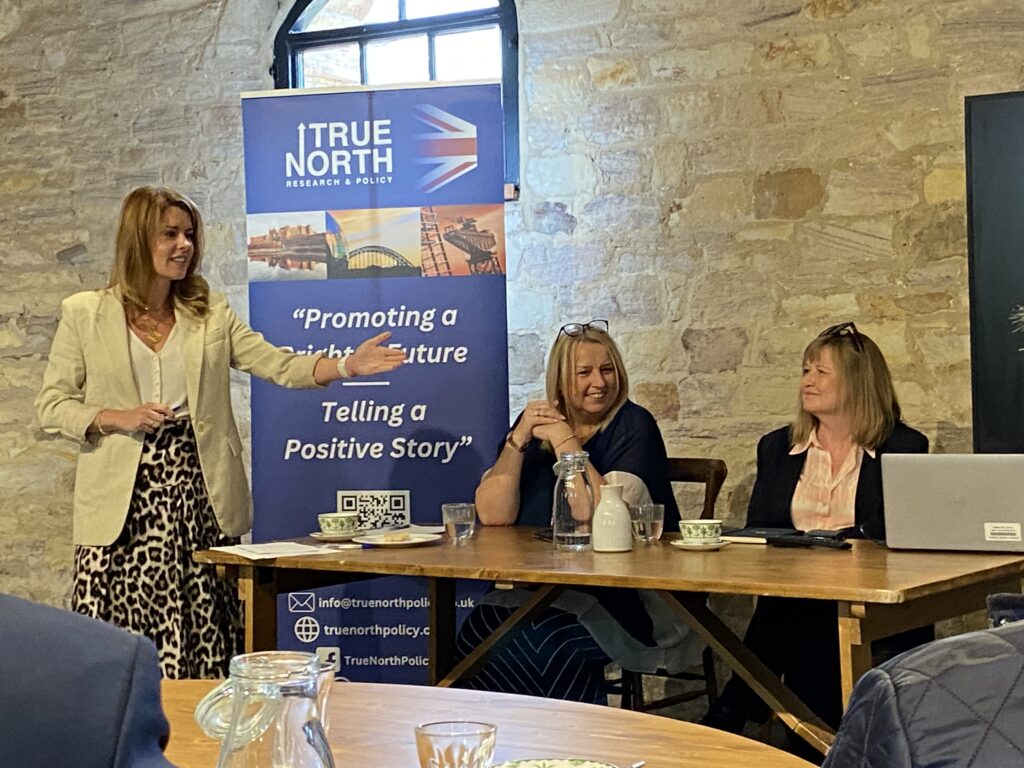
“Devolve Visit Britain – either that or just repurpose it and call it Visit London because that what it really is,” north east mayor Kim McGuinness was critical of the role the UK’s tourism agency plays in promoting the region and Cumbria.
“It does absolutely nothing for this region to showcase the difference that we have and the opportunity we have to really promote everything that we are, to give people people growing up here more jobs and opportunity.”
From planning issues to National Insurance costs, a lack of staff to the growth of AI, increasingly used to help visitors plan trips, the gathering was united on one theme; a need for cooperation between destinations and regions in the north to ensure the ‘true north’ voice is heard.
For Gill Haigh, chief executive of Cumbria Tourism, a gathering of politicians from all parties and supporters of the industry calling for closer collaboration is welcome news.
“We did pretty well in terms of international visitors and while it has dropped since COVID we are on our way back up in Cumbria and there’s some joint work that we can do to really showcase the north,” she told Business Crack.
“Cumbria Tourism works really closely with other parts of the whole of the country really on different projects.
“We’ve worked recently looking at World Heritage sites across the North and we’ve looked at things like golf tourism across the North too. Genuinely there are those relationships there.
“What’s sometimes lacking is the funding and the resources to do as much as we would like.”
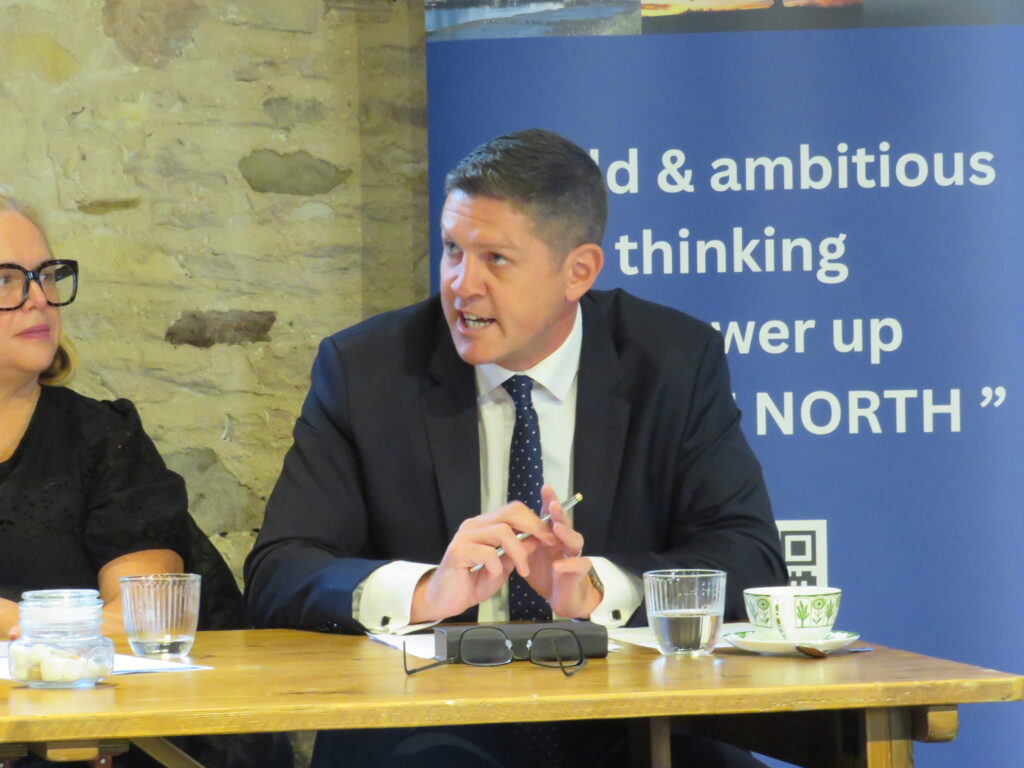
The event helped capture a range of views and comments along with a sense that cultural collaborations across the North will grow and develop.
A new mayor in Cumbria will add another voice to those calling for more support from central government.
But as the chair of True North was keen to stress, it’s not just about money.
The will to see ‘north of the M62’ through new eyes is important in changing perceptions which continue to include suggestions mining is an industry still active in the region and flat caps are commonplace.
Mr Stevenson concedes spreading the word about the real true north may take time to achieve.
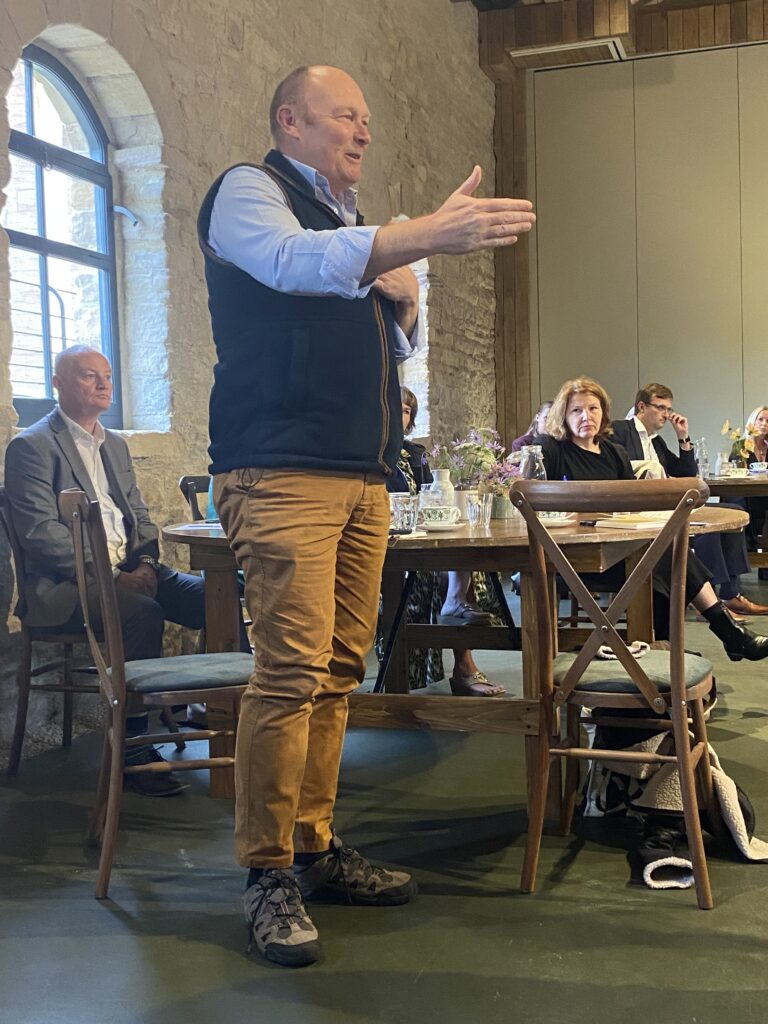
“I think in the past there has been no voice of particular parts of the North and I think the important thing is that the mayors and the local authorities have to work together to pool the resources that we have in our areas so we can be a bigger and better place,” he said.
“We’re looking at other policy areas where we think there is an opportunity for collaboration and bring together different parts of the north. We will put together an ask which we will be sending to central government, but we will also be looking to see what the local politicians can also do to help support the industry.”
The end of the traditional tourism season was looming and he said that perception was also one of the problems.
“We have to create a 12-month season so that people can invest in their businesses and training so we can establish those businesses and they actually have a longer period that they are actually functioning and bringing people to our region.”