

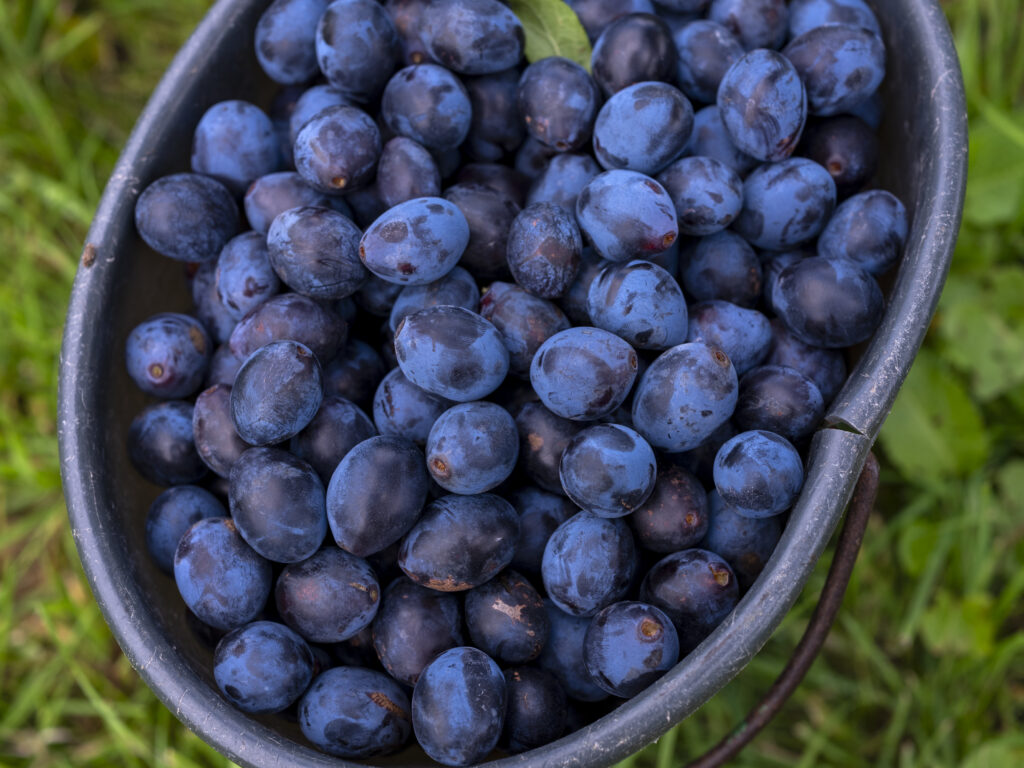
The Lyth Valley in south Cumbria is known as ‘damson central’ – between Whitbarrow Scar and Brigsteer the climate is perfect for cultivating the popular fruit.
From gin to jam, ice cream to even beer, the damson is in demand.
2025 has been a good year for the fruit with the lack of a frost during the main growing season the reason why a bumper crop has been recorded this month.
“We’ve picked between three-quarters and a tonne – we’re quite happy,” Anne Wilson, of Low Farm, told Business Crack in a break between last-minute picking.
“The only problem has been the weather.”
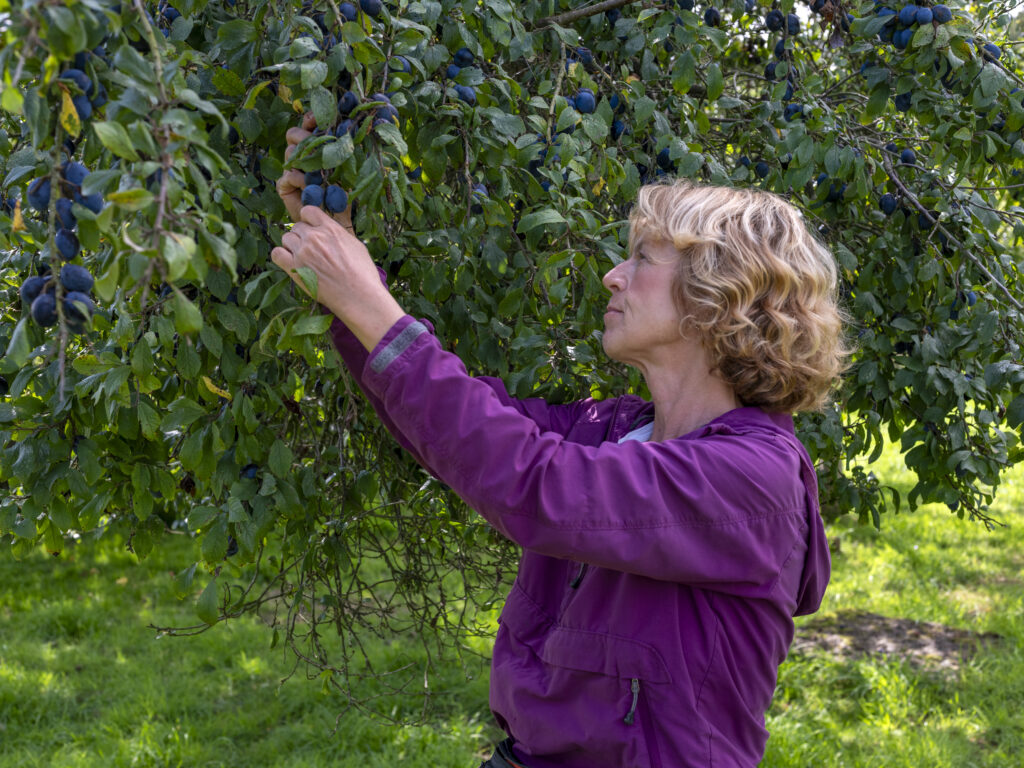
This week Storm Amy rattled through Cumbria making the job of picking impossible and putting off the passing trade that forms a vital part of the farm’s income.
“The road to Bowness goes right through the farmyard so normally we will have people stopping to buy but that hasn’t happened as much recently,” Anne said.
A Kendal-based gin maker has bought half a tonne but trees do remain unpicked as demand can so far be supplied.
“The damsons are like Jersey Royals- for about a month or 5/6 weeks they are in their prime,” Anne said.
The industry has caught the eye of photo journalist Tessa Bunney. As well as documenting Morecambe Bay’s fishing trade she has spent time in the Lyth Valley taking pictures of many of those who still grow the delicacy.
“I first visited the Lyth Valley in 2017 for the annual Damson Day Fair which takes place as the valley is transformed by the stunning white damson blossom for just a few short weeks in spring,” she said.
“Since then, I usually visit once or twice a year with the aim of photographing the orchards, the harvest and collecting stories from the growers I meet.”

Photographer Tessa Bunney at work on Morecambe Bay. Pic: John Angerson.
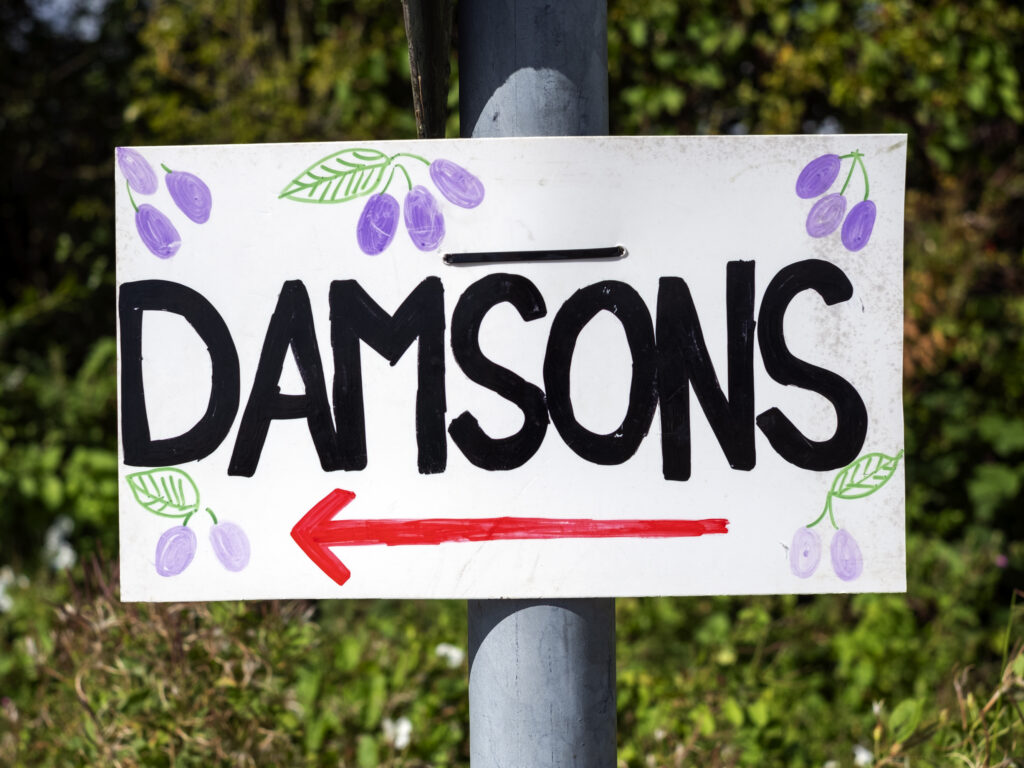
She added: ”The harvest can be unpredictable and sometimes I miss it completely but this year it has been amazing with so many stalls along the route.
“I’m fascinated by the history of the area and although it’s now not a major part of their income, it’s an important and special part of the farming landscape of South Cumbria.
“This year as well as returning home with several bags of damsons, I also purchased a Westmorland Damson sapling and I’m looking forward to seeing how it fares in Yorkshire!”