


As you’re reading this online, there’s a very good chance it’s thanks to one of the increasing number of data centres that are being developed in the UK and around the world.
From the outside the centres may look more like warehouses yet are vital when it comes to housing the kind of computing and networking equipment used to collect, process, and store data. They’re power hungry and the jobs they create are in demand.
Last month came confirmation that Teesside will became the latest location for a new centre, creating over 100 jobs and bringing investment worth over £100m.
“This investment doesn’t just mean jobs on the ground. It’s also a signal to AI and digital businesses across the country and around the world that Teesside is the place to be,” the Stockton North MP and industry minister Chris McDonald said.
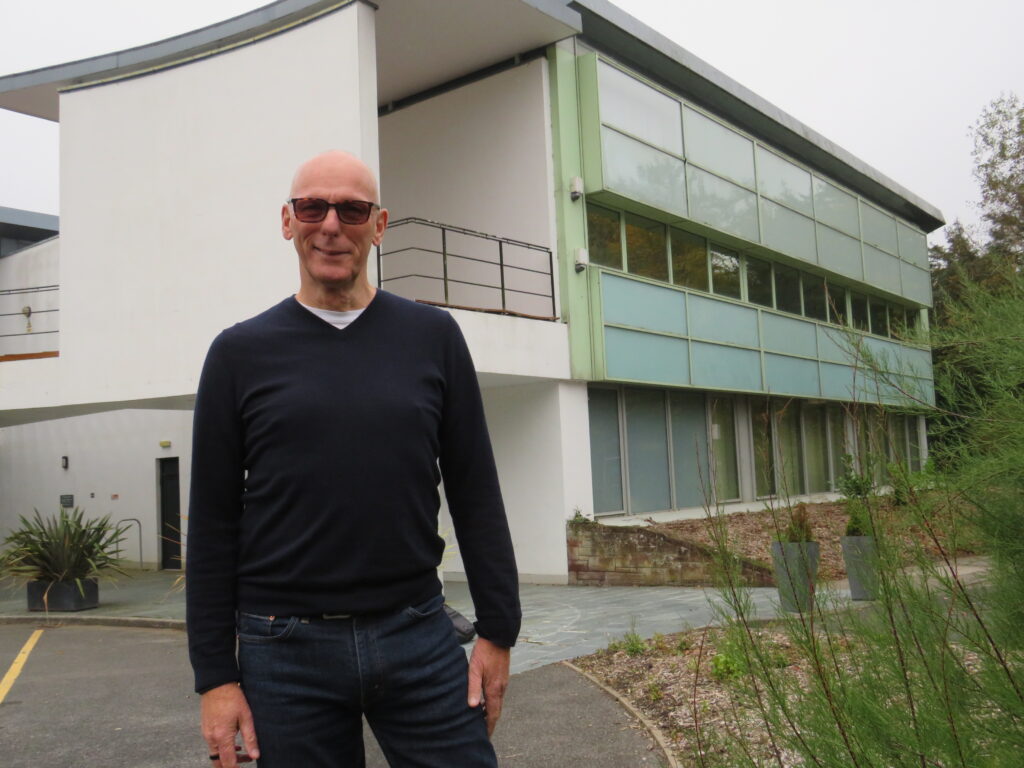
The news prompted West Cumbrian-based entrepreneur Keith McMean to highlight that the west coast should also be considered as a likely location.
As managing director of The Entrepreneurs Group (TEG) and someone who has spent a lifetime bringing business ideas to life, he’s adamant the area should be promoted as a contender for future investment.
“From coastal sites with natural cooling to engineering talent that can run the most complex systems on earth, we’re a community that is hungry for digital jobs,” Mr McMean told Business Crack.
“One thing that we’ve done really well in West Cumbria is adapt really quickly to whatever comes.
“When nuclear came the bulk of Sellafield was run by West Cumbrian people. So why couldn’t a data centre do the same? We just retrain, we reskill and move forward.”
The Government have said the UK could see a massive increase in the capacity of data centres within the next five years, up to 6.3 GW by 2030.
A report earlier this year warned though that even this might not be enough to meet demand.
While date can be stored and accessed anywhere in the world, the advantage – the report claims – of a UK-based facility is that it allows greater access to processing power and ensure they meet cyber security standards.
Proposed AI Growth Zones, designated sites suited to housing AI-enabled data centres and their supporting infrastructure with “enhanced access” to power supplies of at least 500MW and sympathetic planning support, are now being considered.
Local authorities are being urged to bid to host them with the first applications already approved over the summer.
The North East, once again, was quick out of the blocks.
For Mr McMean, the clock is ticking and such a development would help to diversify the jobs on offer in West Cumbria.
“It was a smart move by Teesside and I think we’ve got six to 12 months before it would be too late and the opportunity moves on.”
With talks due to take place today with a major local employer about supporting a move to bring a site to the west of the Pennines, politicians could soon be facing calls for their support.