

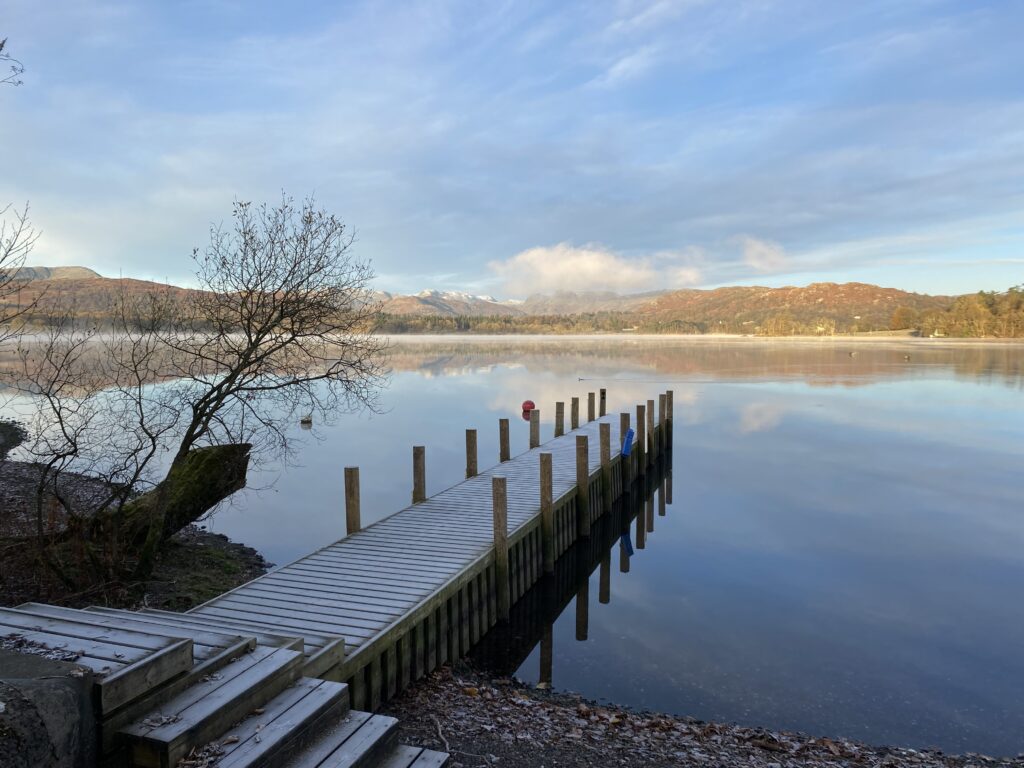
Windermere may have been a welcoming cool and calm sight for delegates arriving at the Low Wood Hotel for Cumbria Tourism’s Future Trends and Innovation Conference but many were keen to gain an insight into the many hot topics affecting Cumbria’s tourism industry.
From the effect of increased NI contributions to the threats and opportunities of AI, businesses big and small listened intently to experts from a wide range of areas. After a mixed summer season, surprise changes to National Insurance announced in the Budget and continued challenges over recruitment, many were looking for good news.
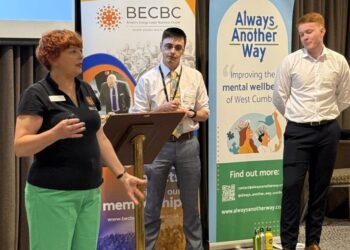
A panel, including the head of UK Hospitality and the president of the NFU, may not have been able to offer much in the way of reassurance but were able to spell out some of the opportunities which businesses in Cumbria may want to grasp.
“To some extent we don’t know what the future holds, but we know collaboration will be key,” Gill Haigh, managing director of Cumbria Tourism, said.
Collaboration was a recurring theme throughout the day; common support not necessarily competition.
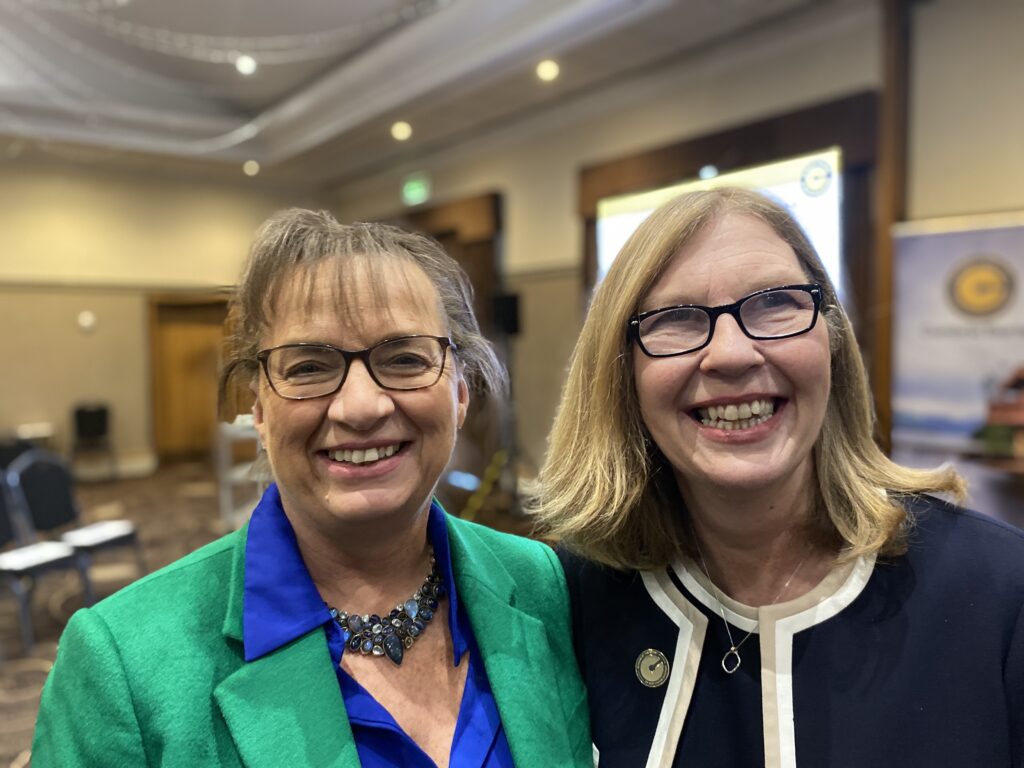
“It was already tricky to start with and in Cumbria we have got real challenges with staffing and the challenges we’ve got have just been made more difficult by the Budget so it makes it more and more important to look at how they can innovate and become more productive and efficient,” according to Suzanne Caldwell, the managing director of Cumbria Chamber of Commerce.
An area that all businesses are increasingly aware of is AI, artificial intelligence.
Picture this; you and your family want to visit Cumbria but when it comes to researching where to go and what to see, time is tight. Instead of poring over maps, checking out reviews and hunting for the best deals, you let AI do the virtual legwork.
Artificial intelligence systems now exist to draw up an itinerary based on information already on the web and is used by increasing number of travellers. It’s convenient and can be tailored to include sights and experiences.
Could Cumbria be missing out?
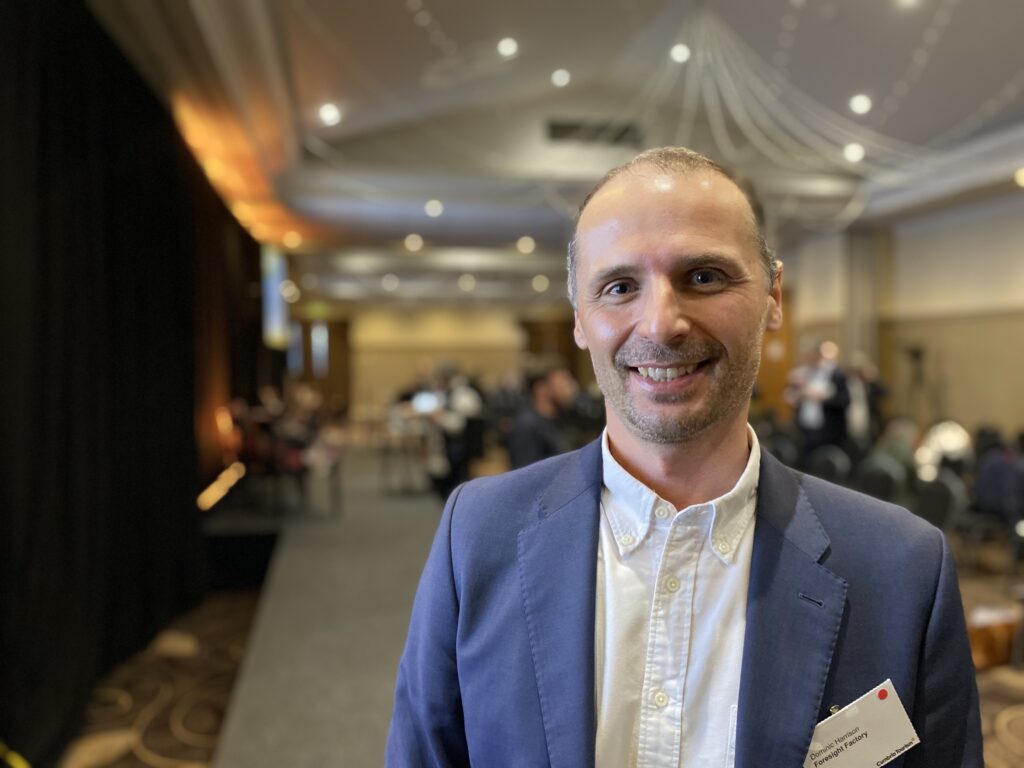
“We see AI currently in an inspiration role but over the next five to 10 years it will move to purchasing on the consumers behalf,” Dominic Harrison, director of content at market predictors Foresight Factory, said.
Fandoms – a subculture of fans particularly dedicated to a subject, a film, or artist – could, he believes, bring a greater benefit for Cumbria. “There is a rich cultural heritage here and what we can see is providers realising we can use that and leverage it in a slightly different way.
“For any destination it’s a case of looking at your offering and see if there are any opportunities to make the most of them and speak in the language of community,” he said.
“Human contact is incredibly important – AI can’t project the empathy that a person can. Ideally businesses can make use of AI to allow staff to spend more time with customers and create an event better experience – the best of both worlds.”
His advice to take a wider look at other industries as well as seek inspiration from outside the region and market.
Delegates heard that research reveals increasing numbers of tourists don’t want to be ‘funnelled’ towards the same destinations – they’re eager to break away and discover less well-known locations. So-called ‘destination dupes’, lower-budget, less-crowded destination duplicate ‘twins’, are being shared via social media to lure travellers off the beaten path.
From Star Wars to Harry Potter, James Bond to Peter Rabbit, younger tourists in particular like to visit ‘real life’ locations where their favourite TV show of film was made.
It’s an area Cumbria Tourism are already aware of and looking at ways of developing further.
“Whether we like it or not, AI is coming and if as an industry we’re not there then we need to be there!” Gill Haigh from Cumbria Tourism said. “Film tourism is very big and Visit Britain focus on this in their campaign at the moment. But it’s not just film tourism – we need to look at the best opportunities to support tourism as we know it and also those hidden treasures that don’t get the attention they deserve.”
The example of Dublin which is aiming to become the world’s first autism-friendly capital city was mentioned as a way of showing how offering a new reason to visit could make a difference when it comes to helping tourists choose where to spend their time – and money.
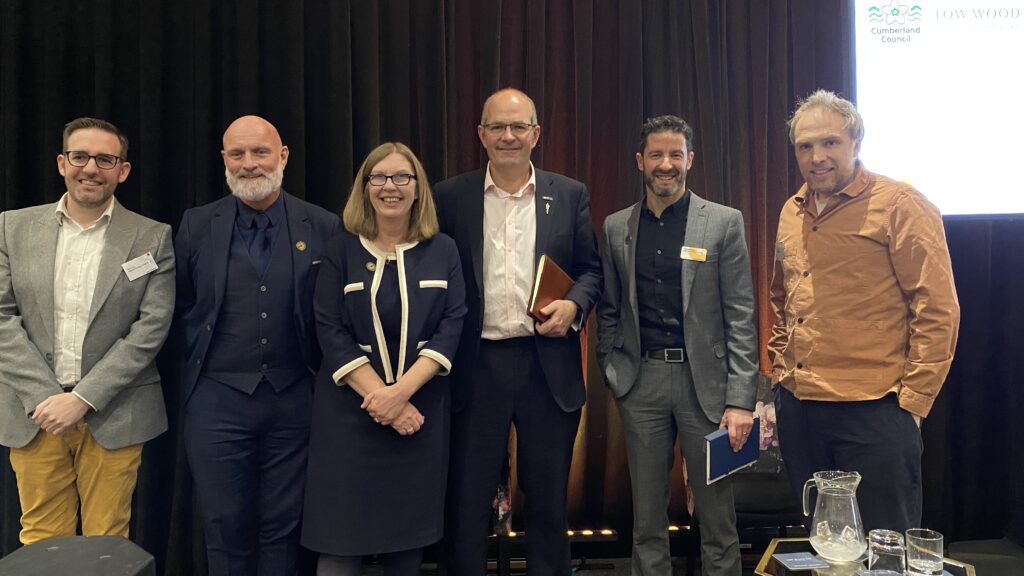
The event also heard how sustainability is more and more on visitors’ check lists when looking to stay in a location. Proving that their accommodation is not having a detrimental effect on the environment and that food is sourced locally are among the queries increasingly being made. The county already has a strong reputation for food and drink and for Tom Bradshaw, president of the NFU who received a warm reception from delegates, Cumbria’s strength is its name and recognition as a brand:
Transport, bitcoin trading – even improvements to the county’s electricity supply – also provided delegates with much food for thought.
The aim now, according to the head of Cumbria Tourism, is to consider how the county can come together to help build prosperity to benefit Cumbria’s wider communities.
“What today will do is help identify what the key issues are that businesses need to focus on in detail and how Cumbria Tourism and the Chamber of Commerce can work together to take it forward,” Gill Haigh said.
The event raised £14,000 for the Cumbria Tourism 50th anniversary fund to support young people starting careers in tourism and hospitality.
From the event it’s clear some of those roles and responsibilities may look very different in the future.